
A Comprehensive Guide to Caregiver Support Resources
Five Essential Areas of Caregiver Training for Complex Illness
Caregiver support resources encompass practical clinical skills training, proactive self-care strategies, and community respite programs. When caring for a loved one facing advanced age, dementia, or a serious illness like cancer, the day-to-day demands can change rapidly. Family members often step into complex caregiving roles without formal clinical instruction. Studies show that when caregivers lack the necessary confidence and skills required to provide help, their personal stress levels spike dramatically.
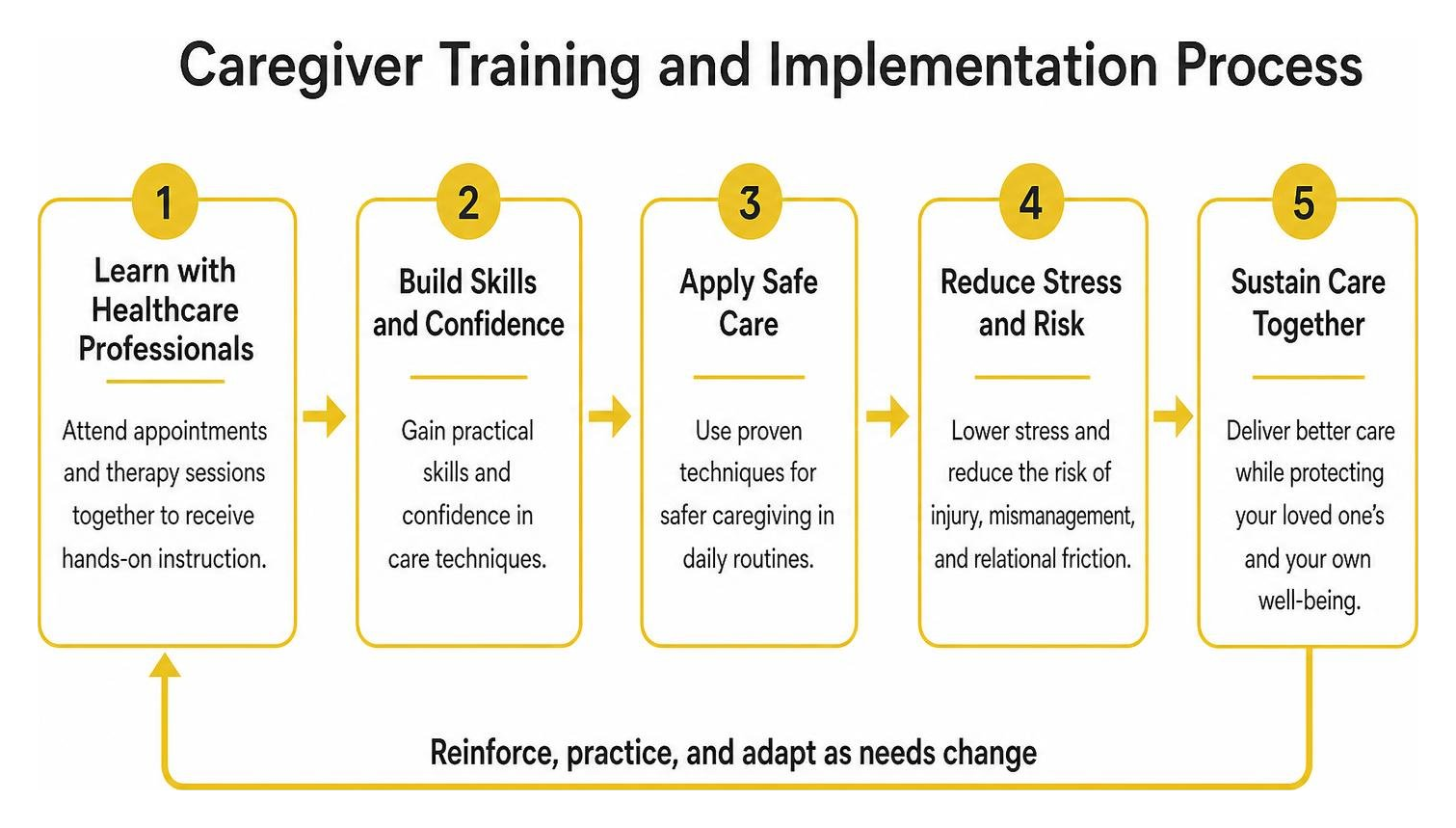
Healthcare providers—including physicians, physical therapists, occupational therapists, and home nurses—serve as essential partners in bridging this skill gap. Attending clinical appointments and therapy sessions alongside your loved one allows you to receive hands-on instruction. Structured education directly addresses common challenges such as fear of causing injury, medication mismanagement, and relational friction. By mastering practical techniques with professional in-home help, you can deliver safer care while protecting your own physical and emotional stamina.
Physical Support and Safe Mobility Techniques
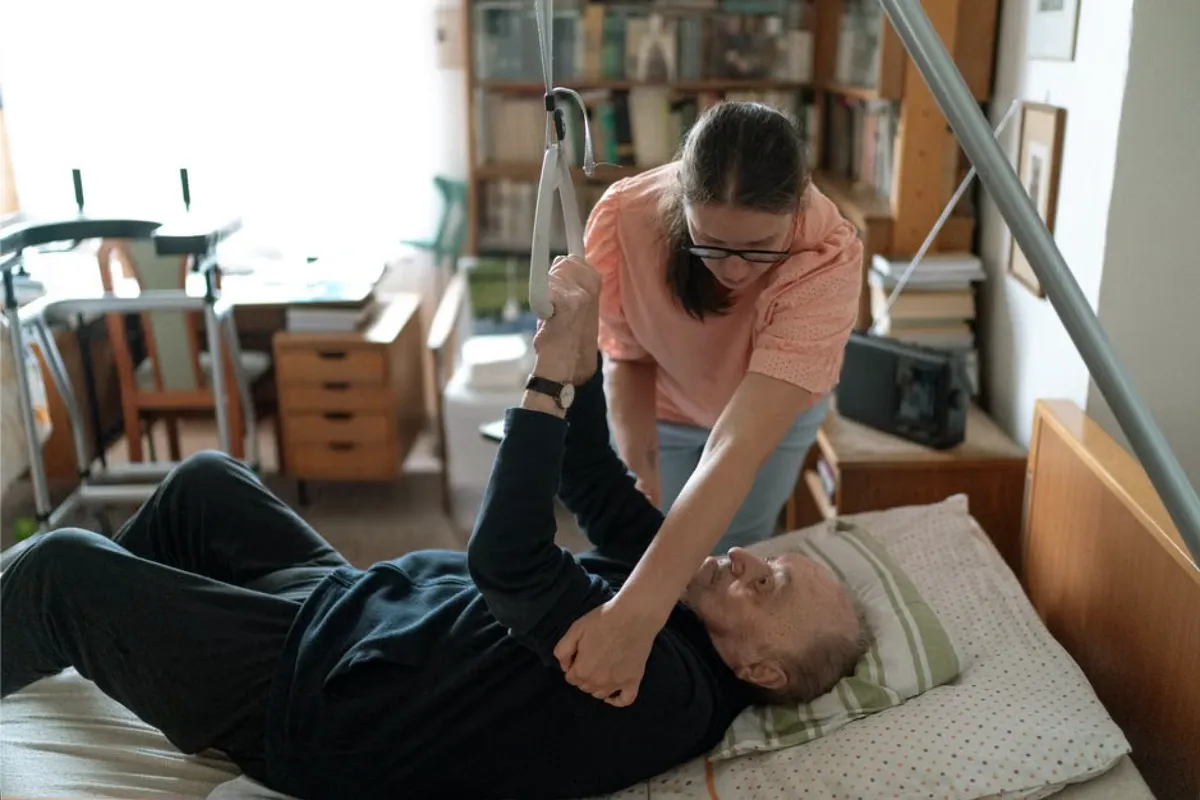
Safe mobility training protects both the care recipient and the family caregiver from preventable injuries. Assisting someone with transfers—moving from a bed to a wheelchair, rising from a sofa, or stepping into a shower—requires specific body mechanics rather than brute strength.
Key mobility skills include:
Center of Gravity and Stance: Keeping feet shoulder-width apart, bending at the knees instead of the waist, and pivoting with your feet rather than twisting your spine.
Gait and Ambulation Assistance: Learning how to properly hold a gait belt, supporting a loved one from their weaker side, and pacing steps to match their cadence.
Assistive Device Mastery: Adjusting walkers, rollators, and canes to the correct height and ensuring safety locks are fully engaged during sit-to-stand transitions.
Fall Prevention Protocols: Clearing walkway hazards, ensuring adequate lighting throughout living spaces, and learning controlled descent techniques if a loved one loses balance.
Enlisting professional companion care for seniors can also provide an extra set of hands during daily outings and mobility routines, reducing physical fatigue.
Personal Care, Exercise, and Daily Activities
Assisting with Activities of Daily Living (ADLs) and Instrumental Activities of Daily Living (IADLs) requires balancing safety with the person's dignity and independence. As chronic conditions progress, caregivers must learn how to adapt their level of assistance to match functional changes.
Personal Care (ADLs): Techniques for gentle bathing, skin breakdown prevention, dressing with adaptive clothing, and managing toileting or incontinence with compassionate communication.
Prescribed Exercise and Movement: Guiding home-based exercise programs that focus on gentle strength, endurance, range of motion, and balance to prevent muscle deconditioning.
Daily Management (IADLs): Organizing balanced meal preparation, managing complex medication schedules, coordinating transportation, and handling household chores.
When managing long-term care needs, families often turn to structured elderly care at home to maintain consistent routines without overburdening a single family member.
Mental Health and Emotional Caregiver Support
Emotional support is widely regarded by healthcare professionals as one of the most vital aspects of caregiving. Complex illnesses generate profound feelings of grief, fear, loss of autonomy, and anxiety for both the individual and their family network.
Caregivers can cultivate psychological resilience and strong socio-emotional connections through intentional communication habits:
Active Listening: Acknowledging feelings without rushing to offer unsolicited solutions or dismiss difficult emotions.
Empathetic Presence: Recognizing that non-verbal cues—such as a calm tone of voice, comfortable silence, or gentle touch—often provide more comfort than finding the "perfect" words.
Navigating Role Reversals: Acknowledging the emotional friction that occurs when an adult child begins caring for a parent, framing care tasks around shared respect rather than authority.
Joining local caregiver support groups offers a safe setting to process these emotional dynamics alongside peers navigating similar journeys.
Evidence-Based Strategies for Caregiver Self-Care and Wellness

Caregiving requires immense energy, and you cannot pour from an empty vessel. Much like the standard airline safety rule—securing your own oxygen mask before assisting others—caregiver self-care is a practical necessity. When family caregivers absorb extra responsibilities alongside major role changes, they frequently experience chronic physical and emotional distress. Proactive self-preservation strategies help prevent burnout and sustain long-term care at home.
Connecting with peers through elder care support groups near me can provide validation, coping strategies, and practical advice from those who understand the daily realities of caregiving.
Managing Caregiver Insomnia and Restorative Sleep
Sleep deprivation is a common challenge for family caregivers. Many suffer from severe insomnia due to hypervigilance, worrying about whether their loved one will wake up, fall, or need immediate assistance during the night.
Pharmacologic sleep aids are often impractical for family caregivers because heavy sedation prevents them from waking quickly to attend to nighttime needs. Evidence-based, non-pharmacologic interventions provide safer alternatives:
Cognitive Behavioral Therapy for Insomnia (CBT-I): Structured behavioral programs that reframe sleep-related anxiety and replace counterproductive bedtime habits.
Goal-Setting Protocols: Establishing incremental routines, such as committing to a consistent wake time or scheduling 15 minutes of daytime wind-down time, to build sleep confidence.
Sleep Hygiene Optimization: Maintaining a cool, dark sleeping environment, limiting caffeine and screen exposure in the evening, and utilizing white noise machines.
Nocturnal Respite: Scheduling overnight home care support so the primary caregiver can achieve uninterrupted, restorative sleep with complete peace of mind.
Balancing Daily Responsibilities and Personal Health
Maintaining balance requires setting clear boundaries and protecting your own health appointments, physical exercise, and personal interests. Caregivers should schedule self-care activities into their weekly calendar just as they would a doctor visit.
Reviewing our caregiver support guide 2026 offers additional planning frameworks to help families balance work, caregiving, and personal wellness without burning out.
Comprehensive Caregiver Support Programs and Community Resources

No family should navigate long-term care alone. Connecting with established community programs, government initiatives, and professional care providers creates a reliable circle of support.
Support Resource Type | Core Services Provided | Best Suited For |
|---|---|---|
VA Caregiver Support | Skills training, health coaching, peer mentoring, financial stipends | Caregivers of enrolled U.S. Veterans |
Adult Day Care Programs | Daytime supervision, social engagement, meals, structured activities | Seniors needing engagement; working caregivers |
In-Home Respite Care | Personal care, transfers, companionship, meal prep in the home | Families needing flexible hourly or daily relief |
Overnight Respite | 24-hour monitoring, medication oversight, bedtime assistance | Caregivers needing uninterrupted nighttime sleep |
Navigating Government and Veteran Caregiver Support
For families caring for military veterans, federal programs provide extensive educational, emotional, and financial resources. The VA Caregiver Support Program Home coordinates support across the nation through two main pathways:
Program of General Caregiver Support Services (PGCSS): Available to caregivers of veterans enrolled in VA health care across all eras. Services include peer mentoring, one-on-one coaching through REACH VA, mobile support such as the Annie text program for stress management, and workshops like Building Better Caregivers. Learn more through the Program of General Caregiver Support Services (PGCSS) - VA Caregiver Support Program.
Program of Comprehensive Assistance for Family Caregivers (PCAFC): Designed for eligible veterans with serious service-connected injuries. This program provides monthly caregiver stipends (transitioned to direct deposit), specialized mental health counseling, and dedicated respite hours.
Caregivers can also review international models such as the Homepage - Ontario Caregiver initiative, which highlights the value of centralized navigation services and caregiver mental health programs.
Utilizing In-Home and Day Respite Care Solutions
Respite care delivers scheduled, temporary relief that gives primary caregivers time to run errands, attend personal medical appointments, spend time with children, or simply rest.
Families can choose from several flexible respite models:
In-Home Respite Care: Professional caregivers step into your home to manage personal hygiene, meals, and mobility, providing dependable respite care tailored to your loved one's regular routine.
Adult Day Centers: Safe, engaging community environments offering day respite services with recreational activities, social stimulation, and nutritious meals while caregivers work or recharge.
Specialized Memory Care Respite: Tailored respite care for dementia carers delivered by professionals trained in redirecting cognitive distress and managing memory-related behaviors.
Overnight and 24-Hour Care: Scheduled respite care overnight to allow family members to travel, manage personal emergencies, or recover from chronic sleep deficits.
Frequently Asked Questions about Caregiver Support
How does structured caregiver training improve patient quality of life?
Clinical research demonstrates that the assistance of a trained caregiver improves the quality of life for individuals with chronic illnesses. Structured training builds skill mastery, reducing errors during physical transfers and daily hygiene tasks. When caregivers feel confident in their abilities, care recipients experience less anxiety, fewer fall-related injuries, and greater dignity throughout daily interactions. To learn more about setting up structured home assistance, explore our in-home care complete guide 2026.
What non-pharmacologic methods help caregivers manage severe sleep disturbances?
Caregivers often need to maintain alertness throughout the night, making heavy prescription sedatives unsafe. Non-pharmacologic approaches like Cognitive Behavioral Therapy for Insomnia (CBT-I), structured sleep logs, stimulus control therapy, and progressive muscle relaxation help calm nighttime hyperarousal. Arranging temporary overnight care also gives family caregivers designated nights of deep, uninterrupted rest.
How can family caregivers arrange professional respite care when nearing burnout?
If you are feeling overwhelmed, start by scheduling a professional care consultation. An intake evaluation identifies your loved one's specific physical, cognitive, and social needs to build a customized support plan. Families in Utah County can access dedicated Orem Utah caregiver respite to secure scheduled relief through in-home visits or daytime adult day center programs.
Conclusion
Caregiving is a journey of dedication and love, but it should never be walked in isolation. Balancing daily care responsibilities with your own physical and emotional health requires clear boundaries, practical training, and an active circle of support. By investing in your skills, maintaining regular self-care, and using community programs, you protect your own well-being while providing the highest quality care for your loved one.
At Aspen Senior Care, we serve families across Utah Valley—including Orem, Provo, Lehi, American Fork, Pleasant Grove, Spanish Fork, Alpine, Cedar Hills, Salem, Eagle Mountain, Highland, Lindon, Saratoga Springs, and Payson. Our award-winning, family-like team provides personalized non-medical in-home caregiving and engaging adult day programs with specialized dementia support. Explore our comprehensive care giver resources today to discover how our team can help you build a balanced, sustainable care plan.