
In Home Help 101: Keeping Seniors Safe and Sound
When a Parent Needs Help at Home: What Utah Families Should Know
In-home help is non-medical support that allows seniors to stay safely in their own homes instead of moving to a facility. If your aging parent is struggling with daily tasks like bathing, cooking, or getting around the house, this guide covers everything you need to know.
Here's a quick overview of what in-home help includes:
Personal care - bathing, dressing, grooming, and mobility assistance
Homemaking - light housekeeping, laundry, and meal preparation
Companionship - social engagement, errands, and emotional support
Medication reminders - prompting (not administering) scheduled medications
Safety supervision - fall prevention and emergency response
Who pays for it?
Medicaid programs (for qualifying low-income seniors)
Long-term care insurance
Private pay (out of pocket)
Some Veterans' benefits
How to get started:
Identify which daily tasks your parent struggles with
Contact a local in-home care agency for a free assessment
Build a personalized care plan with a matched caregiver
Review payment options including Medicaid waivers
You're not alone in this. Millions of families across the country are navigating the same situation — trying to balance work, kids, and caring for an aging parent who needs more help than you can give alone.
The good news? Staying at home is often the best option for seniors — and it's more achievable than most families realize. Providers across the industry serve tens of thousands of clients nationwide, averaging 24 hours of care per week per person. That's enough support to make a real difference without uprooting your parent's life.
This guide breaks down everything Utah Valley families need to know — from understanding what in-home help actually covers, to finding a trustworthy caregiver, to figuring out how to pay for it.
What is In Home Help and How Does It Differ From Home Health Care?
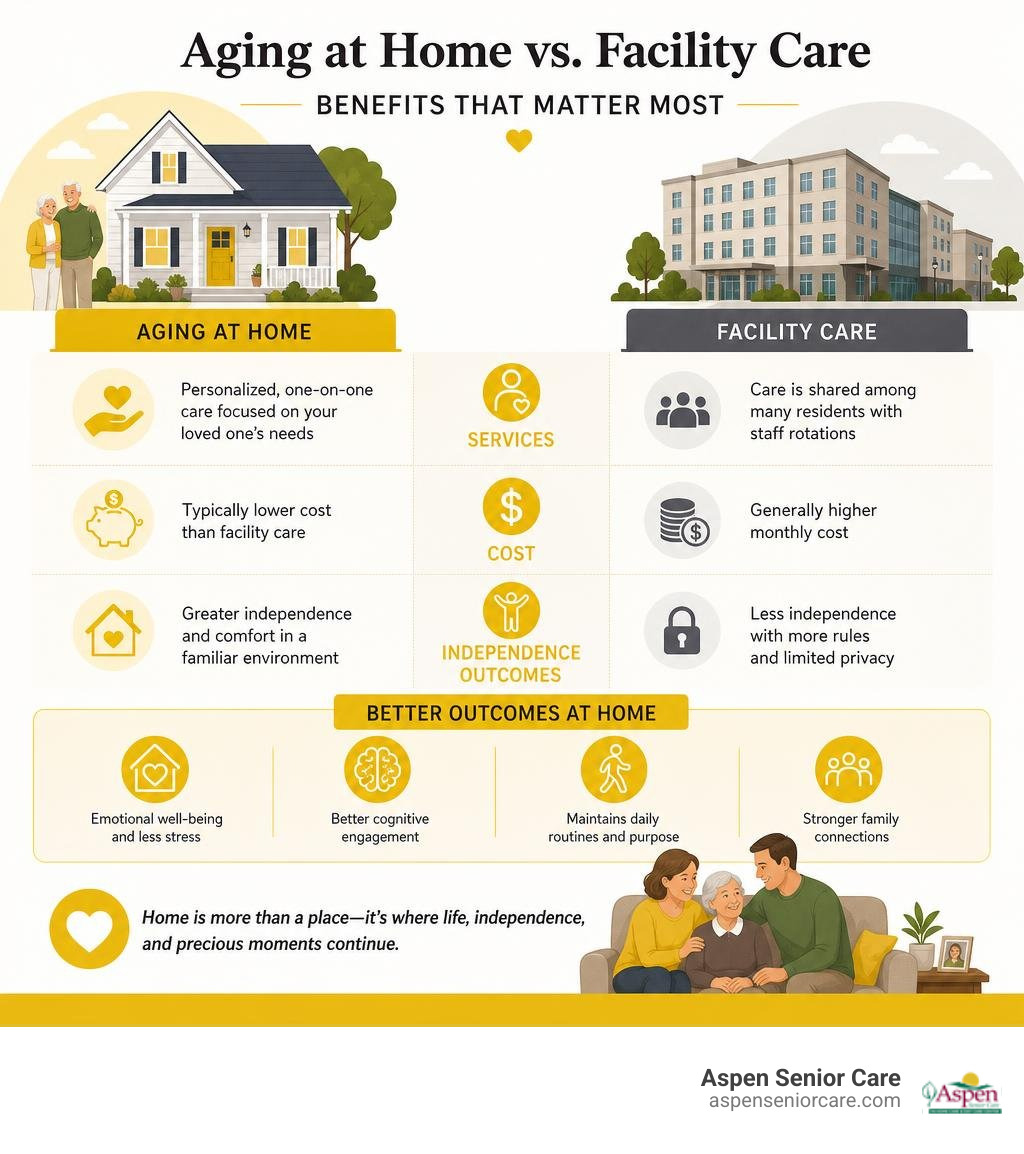
When exploring care options for an aging loved one in Utah Valley, the terminology can quickly become confusing. The most common source of confusion is the difference between non-medical in home help (often referred to as personal care or companion care) and clinical home health care.
While both services are delivered directly inside the senior's home, they serve entirely different purposes, require different types of staff, and are funded through different channels.
Non-Medical In-Home Help
Non-medical care is designed to help seniors with their everyday routines so they can maintain their independence. This type of care is provided by professional caregivers or personal care aides who do not have clinical medical licenses but are highly trained in safety, mobility assistance, and companionship.
The primary focus of this care is assisting with:
Activities of Daily Living (ADLs): Essential self-care tasks such as bathing, dressing, grooming, toileting, and transferring (moving from a bed to a wheelchair, for example).
Instrumental Activities of Daily Living (IADLs): Tasks that support independent living, including light housekeeping, grocery shopping, meal preparation, transportation to appointments, and managing household schedules.
Clinical Home Health Care
In contrast, home health care is medical care ordered by a physician. It is delivered by licensed medical professionals, such as Registered Nurses (RNs), physical therapists, occupational therapists, or speech therapists.
Home health care is typically short-term, rehabilitative, and highly structured to help a patient recover from a specific medical event, such as a stroke, major surgery, or a severe illness.
Clinical care services include:
Wound care and dressing changes
Intravenous (IV) therapy or injections
Physical, occupational, or speech therapy
Monitoring serious illness or vital signs
Feature Non-Medical In-Home Help Clinical Home Health Care Primary Goal Support daily living, safety, and independence Medical rehabilitation and clinical recovery Provider Type Professional Caregivers / Personal Care Aides Registered Nurses, Physical Therapists, LPNs Medical Tasks None (only medication reminders) Wound care, injections, physical therapy Schedule Highly flexible (from 2 hours a week to 24/7 care) Intermittent visits (usually 1-3 times per week) Doctor's Order Not required Strictly required Common Funding Private pay, Long-Term Care Insurance, Medicaid Medicare, Private Health Insurance, Medicaid
Understanding this distinction is the first step in building the right support system for your family. If your loved one is recovering from a hospital stay, they may need temporary home health care. However, if they need ongoing, reliable support to stay safe, clean, and well-fed in their daily life, non-medical in home help is the solution.
Services, Eligibility, and State Programs
Navigating the landscape of aging services in Utah can feel overwhelming, but there are structured resources designed to help families determine the exact level of support their loved ones need.
For general information on state-administered resources, the Seniors Services | Aging & Adult Services – Utah DHHS page is an excellent starting point for families looking into community supports, nutrition programs, and caregiver resources.
Core Services Offered Through In Home Help
When you partner with a professional agency for In-Home Care, the care plan is entirely tailored to your loved one's specific needs. These services are typically divided into three main categories:
Personal Care: Hands-on assistance that preserves dignity. Caregivers assist with bathing, dressing, hair care, shaving, oral hygiene, and safe transferring.
Homemaking and Nutrition: Maintaining a clean, organized environment is directly linked to a senior's physical and mental health. Caregivers handle light housekeeping, laundry, running errands, and preparing nutritious meals that align with dietary restrictions.
Companionship and Transportation: Preventing isolation is just as important as physical care. Caregivers provide meaningful conversation, play board games, and offer safe escorting to local social events, family gatherings, or medical appointments.
Eligibility Requirements for Government-Funded In Home Help
While many families utilize private funds or long-term care insurance, government-funded programs are available to help eligible Utah residents cover the costs of in-home care.
To qualify for state-funded or Medicaid-funded programs in Utah (such as the Aging Waiver or the New Choices Waiver), individuals must meet specific criteria:
Functional Limitations: The senior must demonstrate a documented need for assistance with multiple Activities of Daily Living (ADLs). This is verified through a formal functional assessment conducted by a state caseworker or nurse.
Cognitive Decline: Seniors experiencing moderate-to-severe cognitive impairment due to dementia or Alzheimer's disease often qualify for higher levels of care supervision to ensure their safety.
Financial Eligibility: For Medicaid-funded waivers, applicants must meet strict income and asset limits set by the state of Utah.
If your loved one does not meet the financial limits for Medicaid, private pay remains the most flexible option, allowing you to customize your schedule without waiting for state authorization.
Navigating Costs, Payments, and EVV Regulations
One of the most pressing questions families face is: How much does in-home help cost, and how do we pay for it?
In Utah Valley, the cost of non-medical home care is typically billed on an hourly basis. This hourly structure allows families to scale their care up or down depending on their budget and needs—whether that means a caregiver visiting for a few hours a week to help with bath time, or implementing a comprehensive 24/7 care plan.
Payment Options for In-Home Help
Private Pay (Out of Pocket): This is the most common and flexible way families fund care. It gives you complete control over caregiver matching, scheduling, and the specific tasks performed.
Long-Term Care Insurance (LTCI): If your parent purchased a long-term care insurance policy years ago, it will likely cover non-medical in-home care once they meet the policy's elimination period and functional benefit triggers (usually needing help with two or more ADLs).
Medicaid Waivers: For seniors who qualify financially and functionally, Utah’s Medicaid waivers can pay for personal care services, allowing low-income seniors to avoid nursing home placement.
Veterans Benefits: Veterans and their surviving spouses may qualify for the VA Aid and Attendance benefit, which provides a monthly pension addition specifically designed to help cover the costs of in-home care.
Understanding Electronic Visit Verification (EVV)
If your family utilizes state-funded programs or Medicaid waivers to pay for in-home services, you will encounter Electronic Visit Verification (EVV).
EVV is a federal mandate requiring providers of personal care services to electronically document the precise details of every care visit.
The EVV system electronically verifies:
The type of service performed
The individual receiving the service
The date and location of the service
The individual providing the service
The exact start and end times of the visit
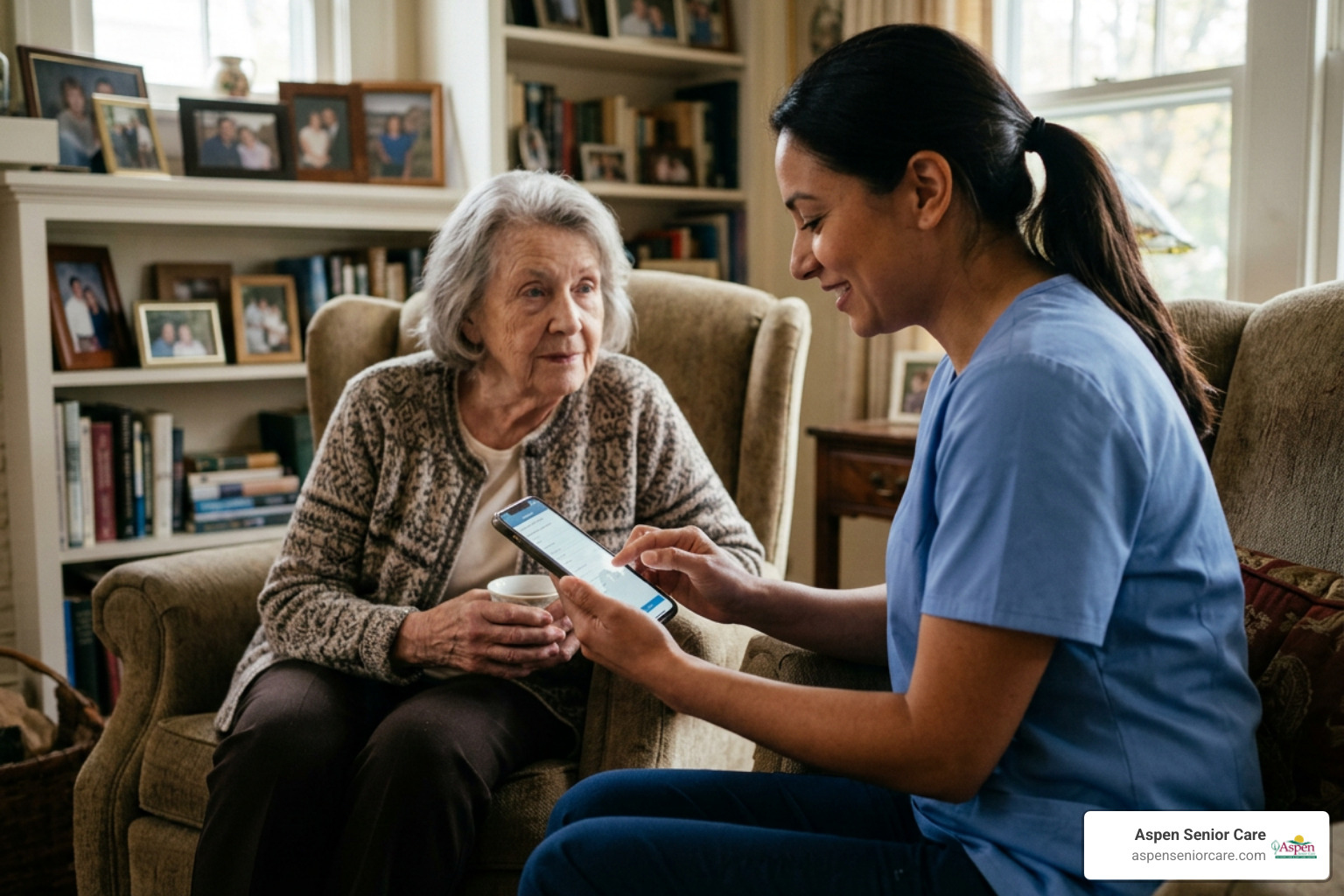
Typically, caregivers log these details using a secure mobile application on their smartphones when they arrive at and depart from a client's home. For families, EVV provides peace of mind by ensuring billing accuracy, preventing fraud, and proving that your loved one is receiving the exact care hours authorized by their program.
At Aspen Senior Care, we utilize state-compliant verification systems to make the billing and scheduling process completely seamless and transparent for our clients.
How to Choose a Reputable Provider and Create a Care Plan
Inviting a caregiver into your parent's home is a deeply personal decision. To ensure their safety and your peace of mind, it is crucial to partner with a licensed, reputable agency rather than hiring an independent caregiver off the internet.
The Screening and Matching Process
A high-quality agency does the heavy lifting for you. When evaluating providers, ask about their hiring and screening practices. For example, a reliable agency should use a rigorous multi-step screening process that includes:
Comprehensive federal and state criminal background checks
Professional and personal reference checks
In-depth interviews to assess empathy, patience, and experience
Ongoing training in safety, transferring, and specialized care
Additionally, look for an agency that prioritizes personality matching. A caregiver might be highly qualified on paper, but if their personality clashes with your parent's, the relationship won't thrive. The best care experiences happen when caregivers and seniors share common interests, communication styles, and temperaments.
Creating a Personalized Care Plan
Before care begins, a professional care coordinator should conduct an in-home assessment. This assessment is used to build a customized care plan that outlines:
The senior's daily routine, sleep habits, and preferences
Specific physical assistance required (e.g., walker assistance, safe bathing techniques)
Dietary preferences and meal preparation instructions
Emergency contacts and medical history
Respite care schedules to prevent family caregiver burnout
If you are looking for trusted local care options in specific Utah Valley communities, you can explore our dedicated local resource pages:
For families in the northern valley, check out our In-Home Care Locations - Lehi page.
If you are located in central Utah Valley, explore our In-Home Care Locations - Orem page.
For families in the heart of the county, review our In-Home Care Locations - Provo page.
We also serve surrounding communities. Learn more about care in northern Utah County on our In-Home Care Locations - American Fork and In-Home Care Locations - Pleasant Grove pages.
Preventing Isolation and Ensuring Safety at Home
Aging in place successfully requires a proactive approach to both physical safety and emotional well-being. When a senior lives alone, physical hazards and social isolation can feed into one another, creating a rapid decline in health.
Fall Prevention and Home Safety
According to safety experts, falls are the leading cause of injury among older adults. Professional caregivers are trained to identify and mitigate fall risks in the home by:
Ensuring walkways are clear of clutter, throw rugs, and loose cords
Encouraging the use of assistive devices like walkers and canes
Assisting with transfers in high-risk areas like bathrooms and kitchens
Ensuring senior homes have proper lighting, especially along pathways to the bathroom at night
Combating Social Isolation
Social isolation in seniors is linked to higher rates of depression, cognitive decline, and cardiovascular issues. Having a dedicated caregiver provides consistent, meaningful social interaction.
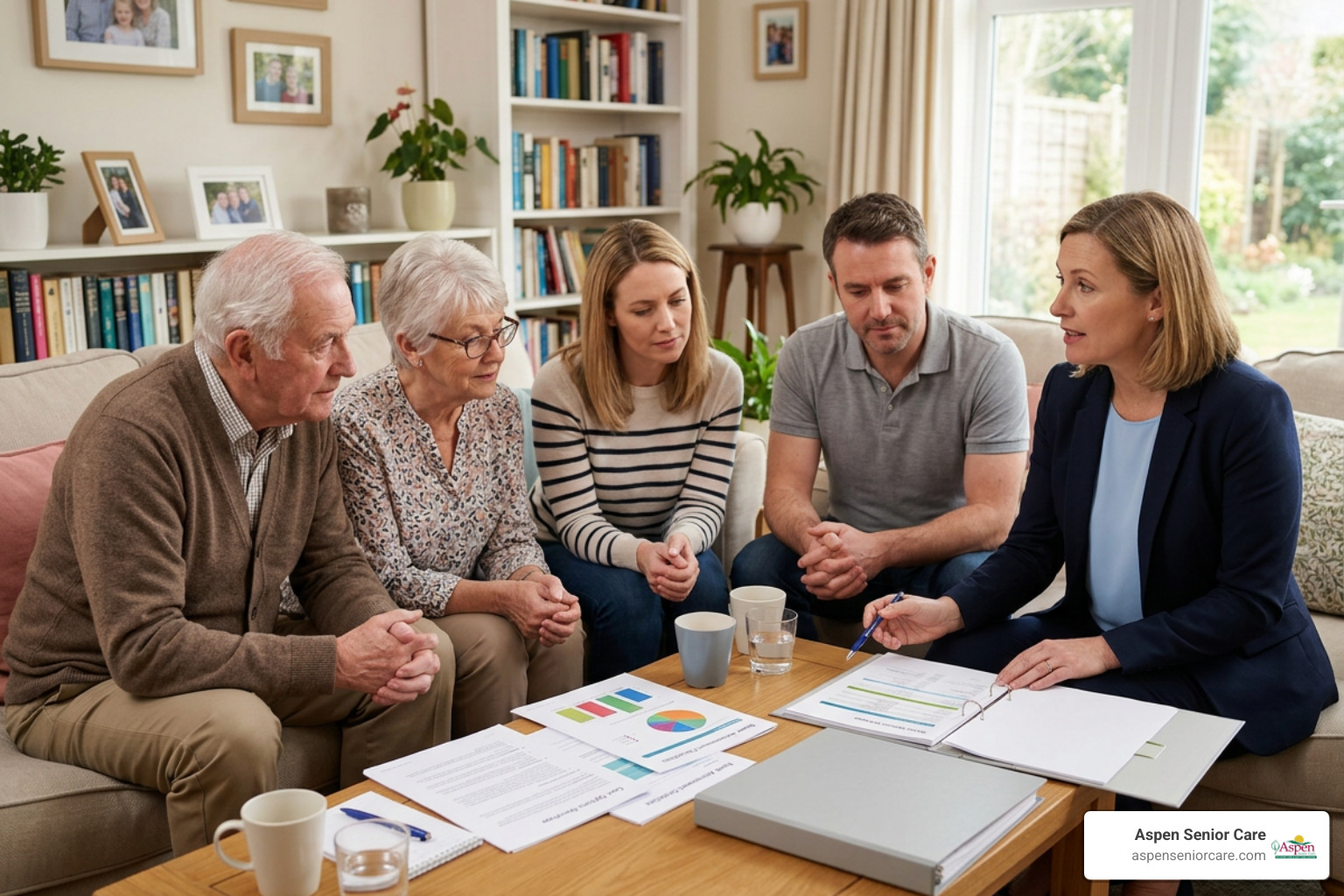
Whether it is sharing a cup of coffee, discussing current events, or working on a puzzle together, this regular connection keeps seniors mentally active and emotionally supported.
Specialized Memory Care
For seniors living with progressive cognitive conditions, specialized support is essential. If your loved one is showing signs of memory loss, standard companion care may not be enough.
We offer specialized programs designed to keep seniors safe, calm, and engaged in their familiar surroundings. You can learn more about our approach by visiting our In-Home Care - Dementia and In-Home Care - Alzheimer resource pages.
Frequently Asked Questions About Senior Care
What are the red flags to watch out for when hiring a caregiver?
When hiring a caregiver independently or through an uncertified agency, watch out for these critical red flags:
No Background Checks: If an agency cannot provide written proof of background screenings, avoid them.
High Caregiver Turnover: A high rate of staff turnover often indicates poor management and training, leading to inconsistent care.
Poor Communication: If the provider is slow to return calls, vague about pricing, or refuses to provide a written care plan, it is a sign of operational instability.
No Liability Insurance: Reputable agencies carry professional liability and workers' compensation insurance to protect your family in case of an accident.
How does Electronic Visit Verification (EVV) affect my family's care?
EVV is designed to protect your family. It ensures that you are only billed for the exact hours the caregiver is physically present in the home.
Because caregivers must log in and out using GPS-enabled apps or designated home landlines, it eliminates "guesstimated" timesheets and guarantees compliance with state Medicaid programs.
How many hours of care do seniors typically receive per week?
Care schedules are highly customizable. On average, many seniors receiving professional in home help utilize about 24 hours of care per week, often spread across 3 to 4 days.
However, care can range from a single 2-hour check-in visit per week to comprehensive, around-the-clock 24/7 care for seniors with advanced physical or cognitive needs.
With the Bureau of Labor Statistics projecting 765,800 job openings per year in the home care field through 2034, the industry is rapidly expanding to meet the growing demand for flexible, home-based care.
Conclusion
Helping an aging parent remain safely at home is one of the greatest gifts you can give them. By understanding the differences between medical and non-medical care, exploring local resources, and selecting a reputable, licensed provider, you can ensure your loved one enjoys their golden years with dignity, comfort, and safety.
At Aspen Senior Care, we are dedicated to providing award-winning, family-like, personalized non-medical care to families throughout Utah Valley. Whether your loved one resides in In-Home Care Locations - Salem, In-Home Care Locations - Cedar Hills, In-Home Care Locations - Payson, In-Home Care Locations - Alpine, In-Home Care Locations - Eagle Mountain, In-Home Care Locations - Lindon, In-Home Care Locations - Saratoga Springs, In-Home Care Locations - Spanish Fork, or In-Home Care Locations - Highland, our compassionate In-Home Care Team is here to help.
Ready to take the next step? Learn more about our In-Home Care services or Contact Us - In-Home Care today to schedule a free, no-obligation in-home assessment for your loved one.