
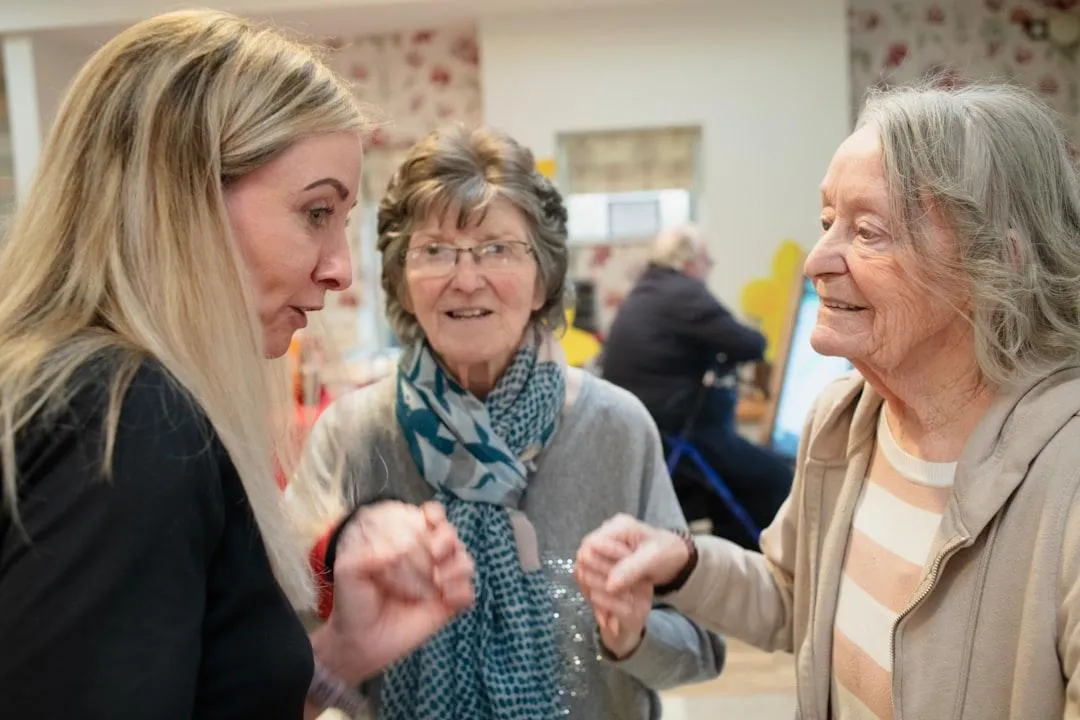
Caregiver Support Groups Near You
The Hidden Struggle Behind Caregiving — and Why Support Groups Matter
Caregiver support groups are structured gatherings — in person or virtual — where people caring for a loved one can share experiences, learn coping strategies, and find emotional relief from others who truly understand.
Quick answers for caregivers looking for support:
What they are: Peer-led or professionally facilitated groups for family caregivers
Who they help: Adult children, spouses, long-distance caregivers, and others caring for aging or ill loved ones
Where to find them: Local hospitals, Area Agencies on Aging, national nonprofits like the Alzheimer's Association, and online via Zoom
Cost: Most are free or low-cost
How to join: Call a helpline, register online, or contact a local agency — many require pre-registration
If you're caring for an aging parent in Utah Valley while also juggling work and family, you already know how exhausting it can feel. The emotional weight builds quietly — through missed sleep, skipped meals, and the creeping sense that no one else really gets it.
You're not alone. And that's exactly the point.
Caregivers who participate in support groups report lower levels of depression and anxiety than those who go it alone. These groups offer something that advice columns and medical appointments rarely provide: a room full of people who are living the same reality you are.
This guide covers everything you need to know — the types of groups available, where to find them near you, and how to figure out which one is the right fit.
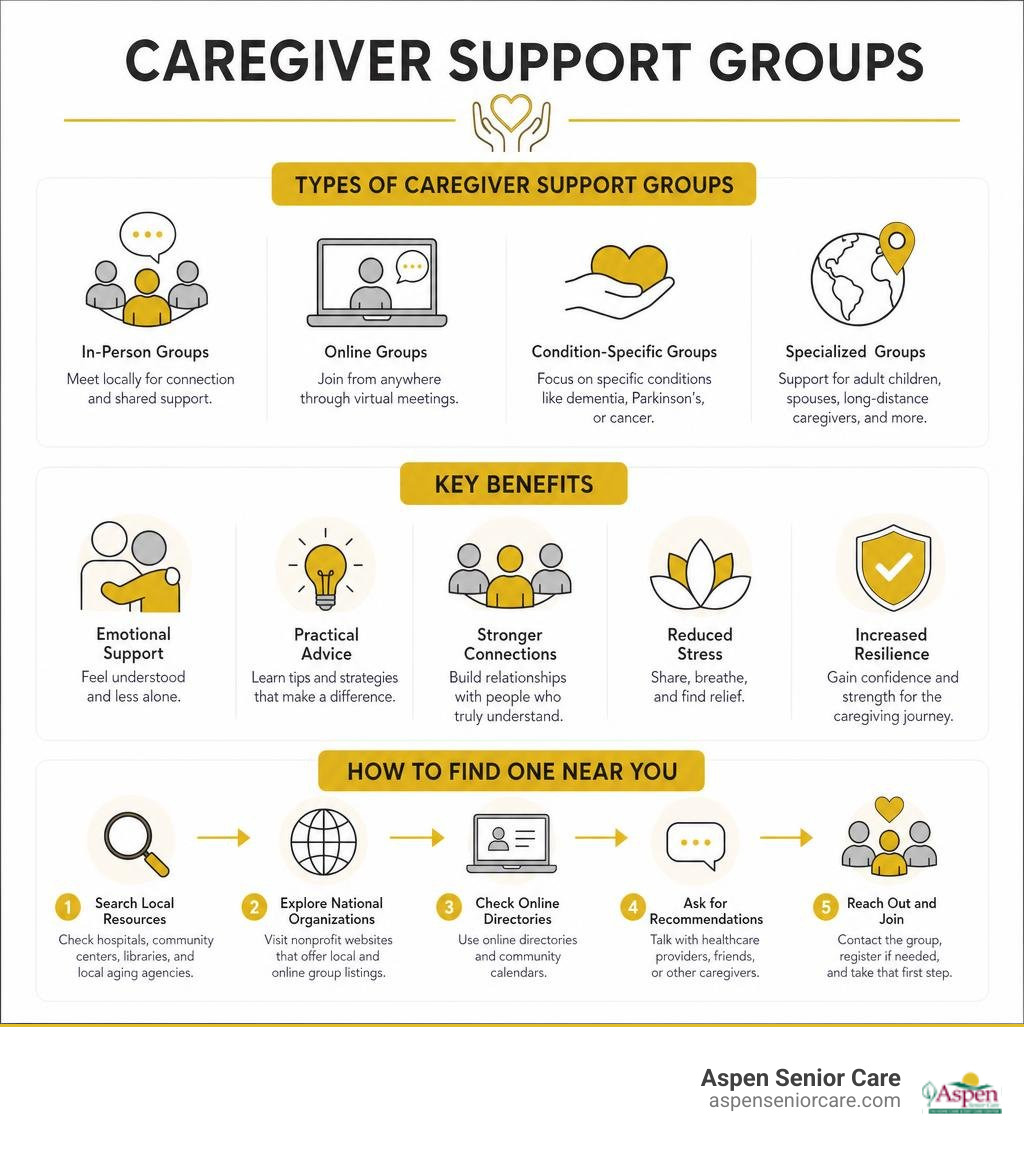
What Are Caregiver Support Groups and How Do They Help?
At some point, every family caregiver hits a wall. Whether you are managing medications for a spouse with Parkinson's disease or navigating the daily challenges of dementia care, the role is physically, emotionally, and existentially demanding.
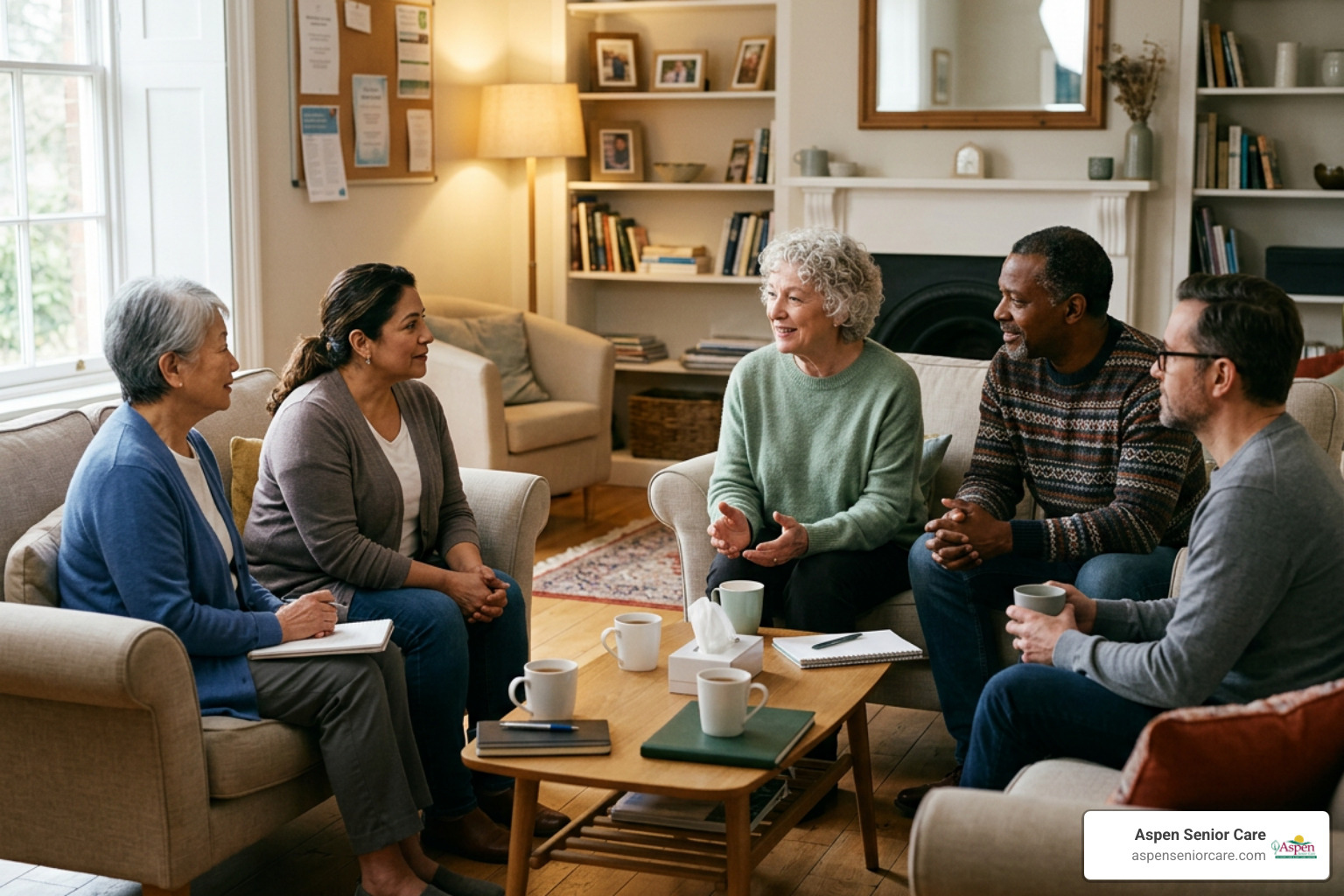
A caregiver support group is a dedicated, non-judgmental space where you can share your story without having to sugarcoat the truth. It is a place where you can admit you are frustrated, tired, or grieving the version of your loved one that no longer exists—and instead of receiving pity, you receive nods of deep, lived understanding.
According to Scientific research on caregiver mental health, these groups act as an essential emotional safety valve. They provide a safe space to express fears and frustrations that you might feel uncomfortable sharing with other family members or friends who aren't in the caregiving trenches.
The Core Benefits of Joining Caregiver Support Groups
If you are on the fence about attending a meeting, consider how stepping into a group can change your daily outlook. The benefits aren't just emotional; they are highly practical.
Reduced Isolation: Knowing you are not alone in your struggle makes a profound difference. You instantly connect with a peer network that understands the daily grind.
Lower Anxiety and Depression Relief: Consistently sharing your feelings and receiving validation from peers helps lower cortisol levels and combat the heavy symptoms of caregiver burnout.
Practical Coping Strategies: You don’t just talk about feelings; you exchange notes. Members frequently share tips on managing difficult behaviors, communicating with stubborn doctors, or organizing medical paperwork.
Learning Self-Care Techniques: A good support group will gently nudge you to remember your own health. You will learn to establish boundaries and make room for your own needs without feeling consumed by guilt.
Types of Support Groups Available for Caregivers
Caregiving is not a one-size-fits-all role, which is why support groups aren't one-size-fits-all either. Depending on your specific situation, you can choose a group tailored to your exact needs.
Some groups are highly structured and facilitated by licensed social workers or family therapists. For instance, structured programs like those offered by Therapy groups for California caregivers illustrate how clinical, evidence-based therapy groups can help caregivers build emotional resilience and set healthy boundaries (though these specific clinical groups are localized to California, they show the growing trend toward virtual therapeutic support). Other groups are peer-led, informal, and focus primarily on open discussion and mutual encouragement.
To help you decide what format works best for your busy schedule, here is a quick comparison of virtual versus in-person support groups:
Feature Virtual Support Groups (Zoom/Email) In-Person Support Groups Accessibility High; join from home without needing respite care. Requires travel and coordinating care for your loved one. Anonymity Higher; option to turn off your camera or use email-based forums. Lower; face-to-face interaction builds deep local bonds. Scheduling Very flexible; options across different time zones. Fixed schedules, typically monthly or bi-weekly. Physical Connection Limited to screens, but highly convenient. High; offers physical presence, comforting hugs, and local networking.
Specialty and Condition-Specific Caregiver Support Groups
If your loved one is dealing with a highly specific medical diagnosis, a general support group might feel too broad. Condition-specific groups focus on the unique trajectory of particular illnesses:
Dementia and Alzheimer's Groups: These focus heavily on managing cognitive decline, memory loss, wandering, and the unique emotional grief of watching a loved one's personality shift.
Parkinson’s Care Partners: These groups address physical mobility challenges, medication timing, and the motor/non-motor symptoms unique to Parkinson's.
Cancer Caregivers: Dealing with oncology appointments, treatment side effects, and prognosis anxiety requires a specific kind of support. For example, the Monthly virtual support for cancer caregivers hosted by the Smith Center provides a dedicated virtual space for those navigating the cancer care journey.
Demographic and Relationship-Focused Groups
Sometimes, the challenge isn't just what illness you are managing, but who you are in relation to the care recipient.
Spousal Caregivers: Caring for a husband or wife changes the entire dynamic of your marriage. These groups address the loss of intimacy, shifting household roles, and spousal grief.
Adult Children: If you are caring for an aging parent while raising your own kids (the "sandwich generation"), these groups help you balance family boundaries and role reversal.
Young Adult Caregivers: Caregivers under 40 face unique challenges, such as putting careers on hold or feeling disconnected from peers who are hitting traditional life milestones.
LGBTQ+ Caregivers: These groups provide safe, inclusive spaces to discuss chosen family dynamics, discrimination in healthcare settings, and unique legal protections.
Long-Distance Caregiving: When you live hours away from your loved one, you deal with a distinct set of anxieties—coordinating care over the phone, managing emergency travel, and battling constant guilt.
How to Find and Join a Support Group Near You
Finding the right group doesn’t have to be another chore on your endless to-do list.
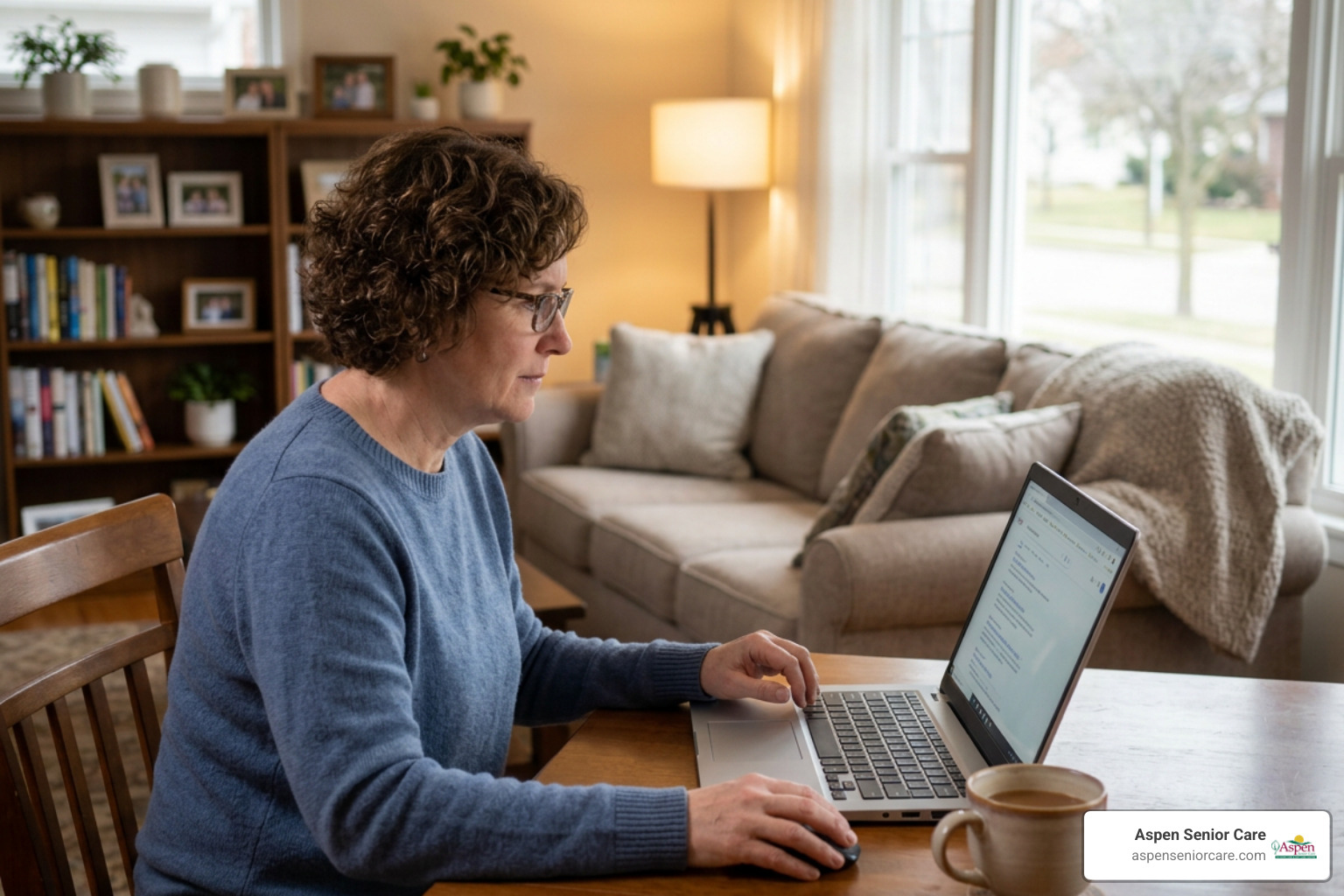
If you live in Utah Valley, your premier local resource is the Mountainland Association of Governments (MAG), which serves as our local Area Agency on Aging. They host excellent, community-focused meetings designed specifically for local families. You can explore their current schedules and register through the Utah-specific caregiver support groups directory.
Additionally, we at Aspen Senior Care host our own localized resources. You can learn more about joining our community circles by Accessing local caregiver support groups directly.
Here is a simple roadmap to guide you from searching to sitting in your first meeting:
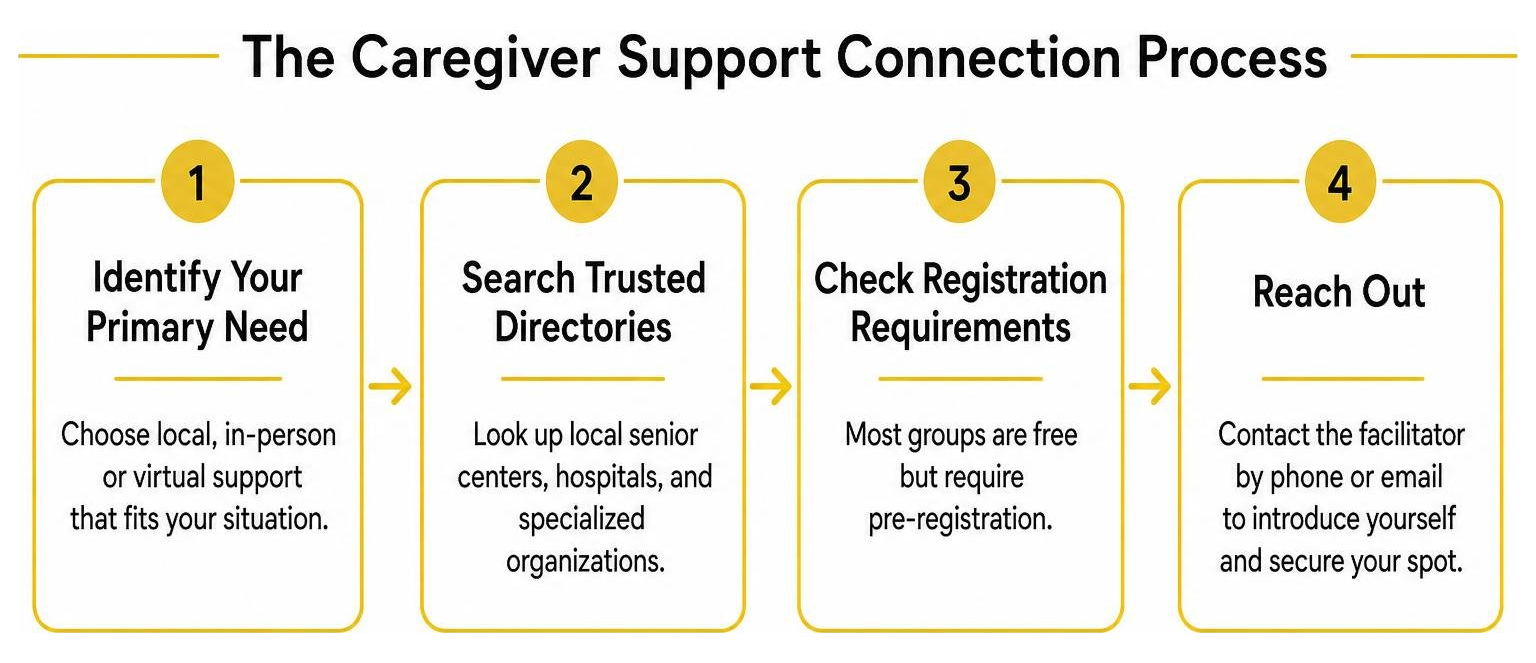
Identify Your Primary Need: Decide whether you want a local, in-person group (perfect for building a local physical community in places like Orem, Provo, or Lehi) or a virtual Zoom group (perfect if leaving the house is difficult).
Search Trusted Directories: Look up local senior centers, hospitals, and specialized organizations like MAG.
Check Registration Requirements: Many groups are free, but almost all require pre-registration to protect the privacy of the participants.
Reach Out: Call the listed helpline or send a quick email to the facilitator to introduce yourself and secure your spot.
Frequently Asked Questions About Caregiver Support
Do I need to pre-register before attending a support group?
Yes, in the vast majority of cases, pre-registration is required. Facilitators do this to keep group sizes manageable (usually between 6 to 12 members) and to ensure the space remains safe, confidential, and free of commercial solicitation or observers. If you are looking to join a group, always call the host organization or use their online registration form beforehand.
Are virtual support groups as effective as in-person meetings?
Absolutely. While they lack physical presence, virtual groups have democratized support for family caregivers. If you cannot leave your loved one alone at home, virtual groups eliminate the need to hire respite care just to attend a meeting. To keep these spaces safe and productive, hosts usually establish clear guidelines. For example, the Online caregiver support group guidelines emphasize active participation, joining from a quiet and private room, and strictly prohibiting outside observers or class students to protect member privacy.
What should I expect during my first support group meeting?
Your first meeting might feel a little intimidating, but facilitators are highly skilled at making newcomers feel welcome.
The Warm-Up: Meetings usually start with brief introductions. You will be invited to share your name and who you are caring for, but there is never any pressure to speak if you just want to listen.
The Discussion: The facilitator will often introduce a light theme—such as managing holiday stress or setting boundaries—and then open the floor for members to share their recent triumphs or struggles.
Confidentiality First: What is said in the room stays in the room. This rule is strictly enforced so everyone feels safe sharing their raw, unfiltered experiences.
Conclusion
Caring for an aging loved one is one of the most generous acts of love you will ever perform, but it shouldn't come at the cost of your own mental, physical, and emotional health. Joining a caregiver support group is a powerful first step toward reclaiming your balance and ensuring your caregiving journey is sustainable.
We at Aspen Senior Care are dedicated to supporting families throughout Utah Valley—including Orem, Provo, Lehi, American Fork, Pleasant Grove, Spanish Fork, and the surrounding areas. We know that sometimes, the best way to support a caregiver is to give them a much-needed break.
If you need time to attend a support group, run errands, or simply rest, we offer award-winning, family-like, personalized non-medical care with 24/7 availability. We can assist you through our Orem Utah Caregiver Respite programs, or you can utilize our specialized Day Respite Services at our beautiful, welcoming Day Respite Centre designed specifically for seniors with cognitive decline.
You don't have to carry this heavy load all by yourself. Let us help you care for your loved one—and for yourself.
Explore our comprehensive caregiver resources to find local support groups, expert caregiving advice, and personalized respite options today.