
Private Duty In Home Caregivers: Everything Families Need to Know
What Private Duty In-Home Caregivers Do
Private duty in home caregivers provide one-on-one help in a person’s home. For an older adult, that may mean help with bathing, meals, medication reminders, companionship, or staying safe during daily routines. This is non-medical support, not skilled nursing. Families can plan care around the tasks and hours they need.
If you’re balancing work and care for a parent in Utah Valley, start by writing down where they need help each day. That list makes it easier to choose the right schedule and ask caregivers about their experience.
Understanding the Role of Private Duty In Home Caregivers
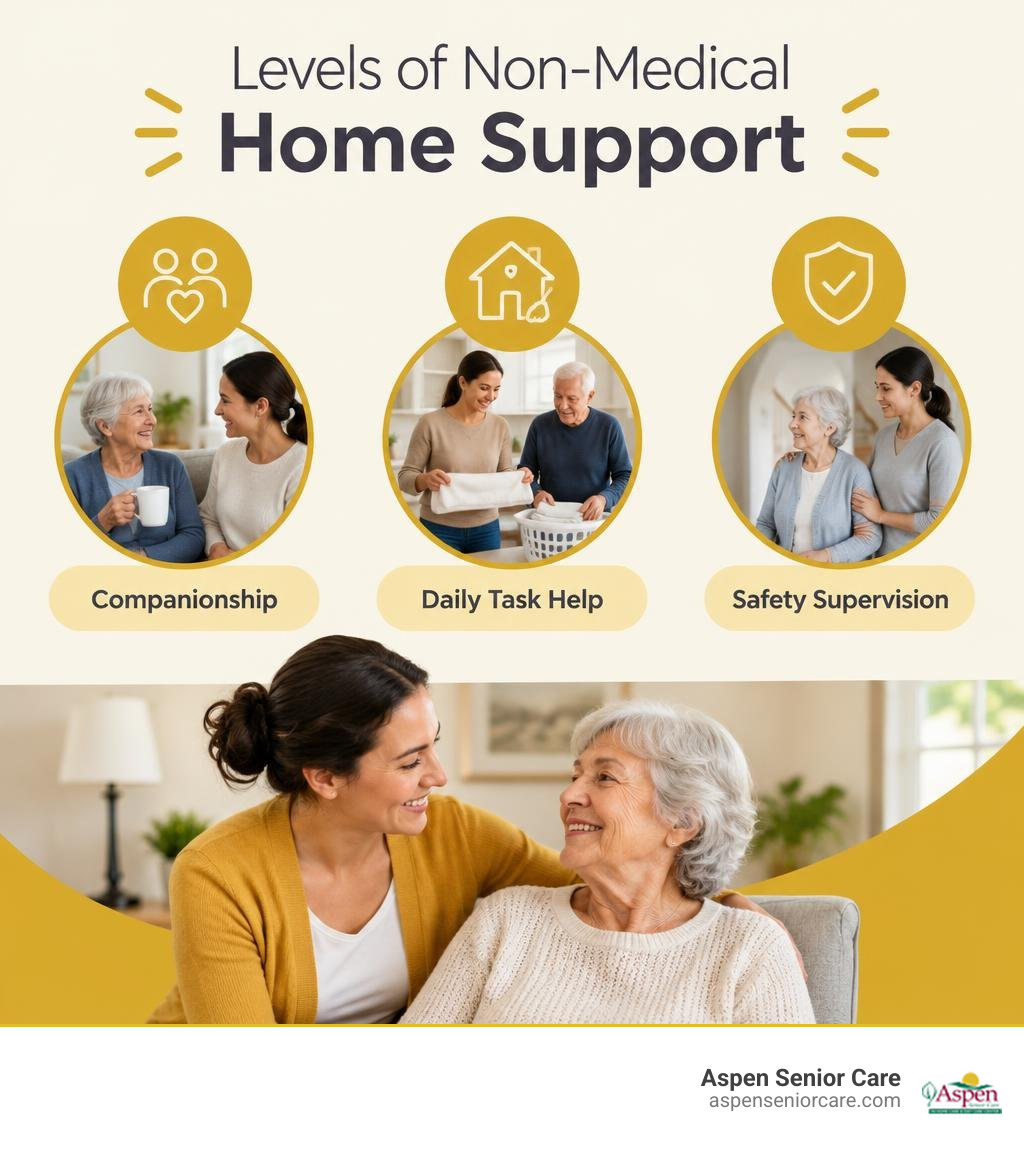
When families begin researching long-term care options, terms can quickly get confusing. "Private duty" refers to individualized, dedicated care arranged directly by the client or their family to fit their exact schedule and household preferences. Unlike intermittent clinical visits that last only 30 to 45 minutes to administer a specific therapy, private duty care focuses on continuous, relationship-based support throughout the day or night.
In non-medical home care, these caregivers are Certified Nursing Assistants (CNAs), Home Health Aides (HHAs), or experienced personal care attendants who help seniors remain safe, clean, and nourished in their familiar surroundings. Our comprehensive In-Home Care Complete Guide 2026 explains how personalized assistance allows seniors across Utah County to preserve their independence while giving working adult children complete peace of mind.
To understand how flexible this support can be, review the common private duty scheduling structures:
Care Schedule Option | Typical Daily Coverage | Primary Focus | Best Suited For |
|---|---|---|---|
Hourly Respite Shifts | 4 to 8 hours per visit | Meal preparation, light housekeeping, errands, personal hygiene | Family caregivers needing relief during the workday |
Full-Day Support | 8 to 12 hours daily | Routine structure, mobility help, fall prevention, cognitive engagement | Seniors living alone with moderate mobility or memory challenges |
Overnight Care | 8 to 12 hours at night | Bedtime routines, bathroom transfers, nighttime wandering prevention | Individuals with disrupted sleep cycles, dementia, or high fall risks |
24/7 Around-the-Clock | Continuous 24-hour shifts | Total assistance with daily routines, consistent monitoring, companionship | Advanced chronic conditions, high-level dementia, end-of-life comfort |
Core Services Provided by Private Duty In Home Caregivers
The primary objective of private duty caregiving is to assist with essential routines that have become difficult or dangerous for an aging adult to manage alone. These routines fall into two main categories: Activities of Daily Living (ADLs) and Instrumental Activities of Daily Living (IADLs).
Understanding the differences between basic hygiene tasks and broader household management is critical when designing a care plan. Our breakdown of IADLs vs ADLs outlines how these levels of care interact.
Everyday services provided by private duty caregivers include:
Personal Hygiene and Grooming: Dignified assistance with showering, bathing, dressing, oral care, and toileting.
Meal Planning and Nutrition: Preparing home-cooked, balanced meals that align with dietary restrictions (low-sodium, diabetic-friendly, or pureed textures) and encouraging regular hydration.
Medication Reminders: Prompting seniors to take their prescribed medications at the right times and recording completion.
Companionship and Socialization: Meaningful interaction through conversation, playing board games, listening to music, or looking through photo albums. Our dedicated Companion Care for Seniors helps combat isolation and loneliness.
Mobility and Transfer Support: Assisting with safe walking, transferring from beds to wheelchairs, and guiding gentle range-of-motion exercises.
Light Housekeeping: Keeping living areas tidy by changing bed linens, washing dishes, managing laundry, and eliminating tripping hazards.
Errands and Incidental Transportation: Driving clients to local medical appointments, hair salons, religious services, or grocery shopping in communities from Lehi to Payson.
Non-Medical Personal Care and Scope of Support
It is crucial for families to distinguish between non-medical personal care and skilled medical care. Private duty personal care attendants provide hands-on physical and emotional assistance to make daily life comfortable. However, they do not administer injections, manage sterile wound dressings, insert catheters, or adjust prescription medical equipment.
When a loved one requires clinical interventions—such as IV therapy, physical therapy rehabilitation, or clinical monitoring—families should coordinate with licensed home health nurses or their primary care physician. Many families successfully combine medical home health visits with ongoing non-medical Elderly Care at Home to ensure safety around the clock while skilled clinical needs are met.
Care Planning and Coordination

Building a successful caregiving arrangement starts with clear communication. An effective care plan is never a rigid template; it is a living document shaped around the senior's unique personality, history, lifelong habits, and medical needs.
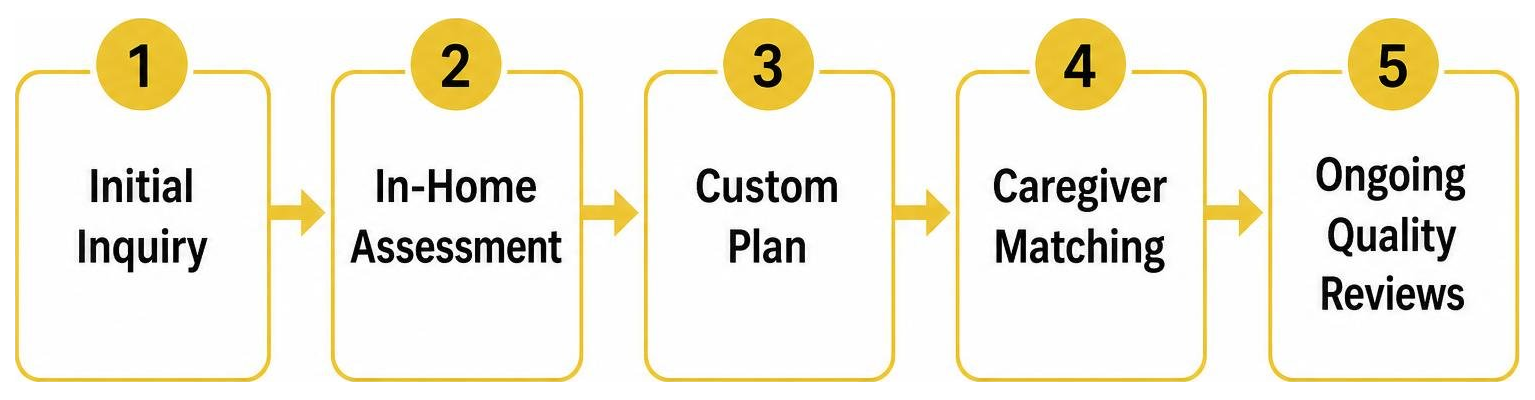
During the intake process, care coordinators meet with the client and family in their home environment to evaluate:
Daily Physical Routines: Waking times, bathing preferences, favorite meals, and evening habits.
Home Safety and Hazards: Lighting, rugs, bathroom grab bars, staircase access, and overall mobility pathways.
Emotional and Social Needs: Hobbies, conversational interests, pet care, and personal boundaries.
Family Support Dynamics: Determining when family members are available and where caregiver coverage fills the gaps.
Regular reviews ensure the care plan evolves as needs shift over time, avoiding sudden gaps in coverage.
Funding and Eligibility Considerations
Because private duty care is primarily non-medical and custodial, funding mechanisms differ from acute medical hospitalizations. While many families pay privately, alternative resources can significantly reduce out-of-pocket expenses.
Families should investigate whether their loved one qualifies for state-specific programs such as Medicaid Home and Community-Based Services (HCBS) waivers. In Utah, these waiver programs provide financial support for personal care, adult day services, and respite care to help individuals remain in their own homes instead of moving into institutional facilities. Eligibility depends on functional need, financial assets, and medical necessity.
Specialized Support for Chronic Illness and Cognitive Decline
Caring for an older adult facing a progressive neurological disorder requires specialized techniques, patience, and deep empathy. Private duty caregivers receive targeted training to manage the distinct stages of memory loss and movement disorders.
Dementia and Alzheimer’s Support: Caregivers utilize gentle redirection, validation techniques, and predictable daily structures to reduce sundowning, anxiety, and wandering. When memory loss progresses to where continuous supervision is necessary, our 24 Hour Dementia Care provides round-the-clock safety and engagement.
Parkinson’s Disease Management: Parkinson's presents fluctuating motor symptoms, muscle stiffness, and balance instability. Caregivers provide steady transfer assistance, medication timing adherence, and tailored mobility support. Families can review our comprehensive Parkinsons Care Guide 2026 for practical care strategies.
Fall Prevention Protocols: By maintaining clear pathways, providing steady standby assistance during transfers, and ensuring proper footwear, caregivers dramatically reduce the risk of debilitating falls.
Costs, Payment Options, and Financial Planning

Understanding the financial landscape of private duty care allows families to make informed, sustainable decisions. Costs vary based on the level of care required, the total hours scheduled each week, and whether care is provided on an hourly, overnight, or 24/7 basis.
For a detailed review of regional rate structures and budgeting strategies, explore our Home Care Pricing Guide 2026.
Common payment methods include:
Private Pay / Out-of-Pocket: The most direct payment method, allowing families complete control over schedule adjustments, caregiver selection, and care customization.
Long-Term Care Insurance (LTCI): Traditional health insurance does not cover non-medical care, but dedicated long-term care insurance policies frequently reimburse for personal care and respite services once a policyholder requires assistance with two or more ADLs.
Veterans Aid and Attendance Benefit: Qualified wartime veterans and surviving spouses facing health challenges may receive monthly pension enhancements to help pay for in-home caregiving assistance.
Medicaid Waivers: Eligible seniors with limited income and assets can access home-based custodial assistance through state-administered waiver programs.
Steps to Find and Arrange Private Duty Care
Finding trustworthy support for an aging parent should not feel overwhelming. Following a structured process ensures your loved one receives reliable, high-quality care tailored to their life.
When unexpected schedule changes or nighttime restlessness occur, our Respite Care Overnight options give primary family caregivers a full night of restorative sleep while a trained caregiver remains alert in the home.
How to Choose and Vet Private Duty In Home Caregivers
Inviting a caregiver into your home requires complete trust. When evaluating agencies and caregivers, look for strict employment and safety standards:
Employment Status: Ensure caregivers are direct employees (W-2) rather than independent contractors (1099), meaning the agency handles comprehensive liability insurance, workers' compensation, and payroll taxes.
Background Screening: Verify that nationwide criminal background checks, motor vehicle records, and drug screenings are conducted.
Credentials and Training: Seek out Certified Nursing Assistants (CNAs) or caregivers trained in dementia care, transfer techniques, and emergency response procedures. Learn more about professional training benchmarks in our Caregiver Support Guide 2026.
Supervision and Oversight: Quality agencies conduct scheduled and unannounced field supervisory visits to maintain care standards.
Questions to ask prospective care providers include:
How do you match a caregiver's personality and skills with my parent's specific needs?
What backup systems are in place if a scheduled caregiver is sick or unavailable?
How do you track care notes and keep family members updated after each shift?
Frequently Asked Questions About Private Duty Care
How quickly can private duty in-home care be arranged?
Care can often begin within 24 to 48 hours following an initial in-home assessment. In urgent situations—such as a sudden hospital discharge or an unexpected illness affecting a family caregiver—arrangements can be expedited based on caregiver availability.
Does traditional Medicare pay for private duty caregiving?
No. Traditional Medicare is designed for short-term, acute medical interventions and clinical rehabilitation ordered by a physician. It does not pay for non-medical custodial care, such as assistance with bathing, dressing, meal preparation, or companionship. These services are funded through private pay, long-term care insurance, VA benefits, or Medicaid waiver programs.
Can private duty caregivers coordinate with other care providers?
Yes. With family authorization, private duty caregivers work seamlessly alongside home health nurses, physical therapists, palliative teams, and hospice providers. While medical teams focus on clinical treatments, private duty caregivers provide the daily hands-on care, personal hygiene, and safety supervision that make healing at home possible.
Conclusion
Every older adult deserves the opportunity to age in place with dignity, comfort, and joy. Private duty in-home care bridges the gap between total independence and institutional care, giving seniors personalized support while offering their families lasting peace of mind.
Whether your loved one in Orem, Provo, American Fork, or anywhere across Utah Valley needs a few hours of companion care each week or dedicated 24/7 memory support, Aspen Senior Care is here to provide award-winning, family-like assistance. Reach out to our team today to create a care plan designed for your family.