
24-Hour Dementia Care: A Complete Guide for Families
When Your Loved One Needs Around-the-Clock Support: What Families Should Know
24-hour dementia care is one of the most important decisions a family will ever face — and one of the most overwhelming.
Quick answer: 24-hour dementia care means a trained caregiver is present in the home at all times, day and night. It goes beyond part-time or companion care by providing continuous supervision, safety monitoring, and hands-on help with daily tasks for someone whose dementia symptoms can no longer be safely managed alone.
Who needs it:
Someone who wanders at night or is at risk of falls
A loved one whose caregiver is burned out or stretched too thin
A person with moderate-to-late stage dementia who needs help with bathing, meals, medications, and mobility around the clock
Two main options:
24-hour in-home care — rotating professional caregivers come to your loved one's home so they can age in place
Memory care facility — a supervised residential setting designed specifically for people with dementia
If you're an adult child in Utah Valley trying to keep a parent safe at home while juggling work and family, you're not alone. About 70% of dementia caregivers say the role is stressful — and many reach a point where part-time help simply isn't enough.
The good news: with the right support in place, most people with dementia can stay safely at home, often for longer than families expect.
This guide explains how 24-hour in-home dementia care works, what it costs, when it makes sense, and how to find the right provider.
What is 24-Hour In-Home Care for Dementia?

When families first begin researching care options in Utah County, they often confuse companion care with 24-hour dementia care. While companion care is wonderful for social stimulation and light help a few hours a week, round-the-clock care is a comprehensive, highly structured service designed to manage advanced cognitive decline.
What is 24 Hour Dementia Care?
As cognitive decline progresses, a person living with Dementia or Alzheimer requires continuous supervision to remain safe. In a professional 24-hour care model, care is typically delivered via "shift care."
Instead of a single caregiver trying to stay awake for days at a time (which is a recipe for exhaustion and safety hazards), a team of professional caregivers works in rotating shifts. Usually, this involves two or three shifts per day (such as 8-hour or 12-hour shifts). This structure ensures that a caregiver is awake, alert, and fully prepared to assist your loved one at 2:00 AM just as effectively as they would at 2:00 PM.
Services and Caregiver Responsibilities
A professional caregiver providing 24-hour In-Home Care manages a wide range of responsibilities tailored to the unique physical and cognitive needs of the senior. These include:
Activities of Daily Living (ADLs): Sensitive, dignified assistance with bathing, dressing, grooming, toileting, and personal hygiene.
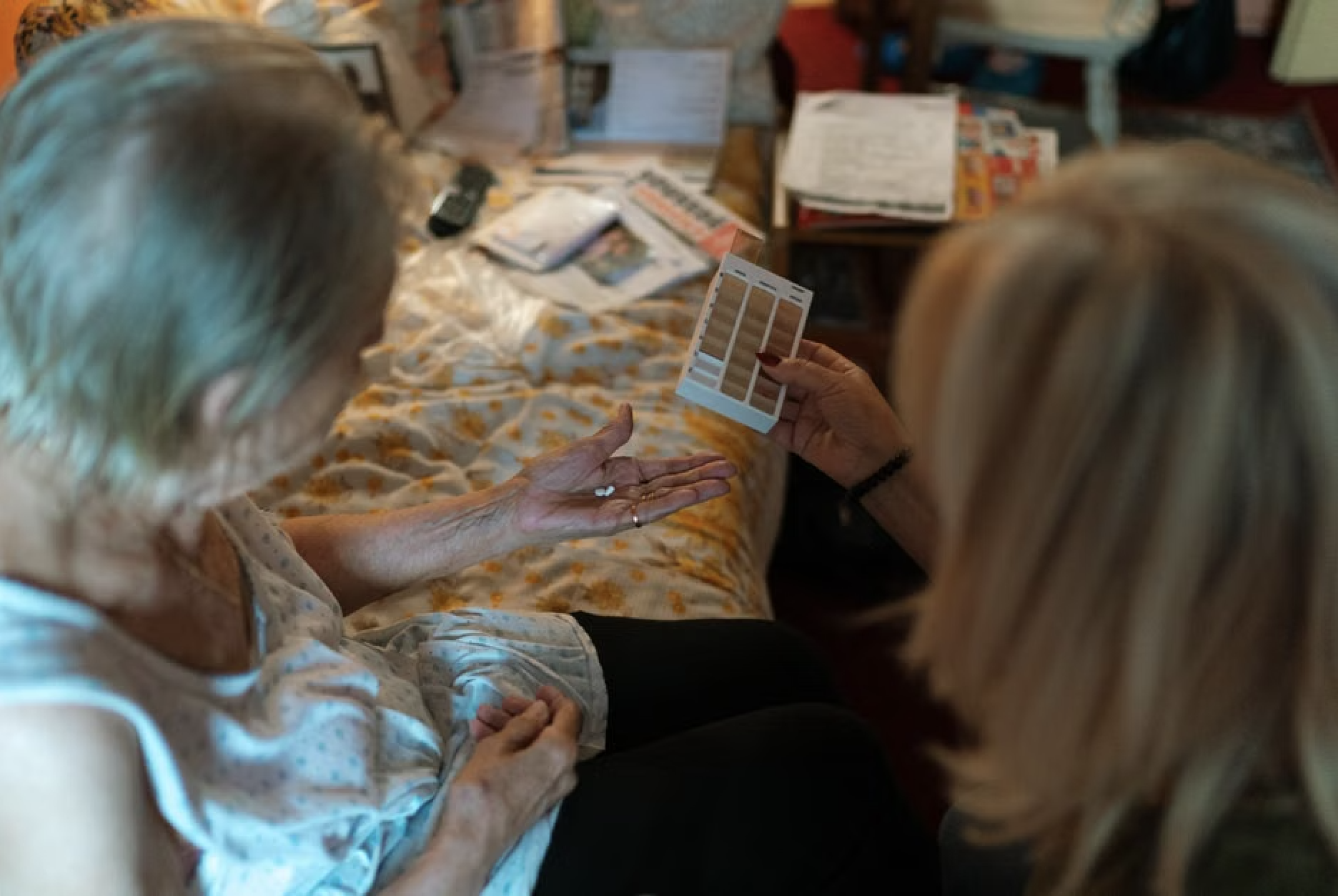
Medication Management: Providing timely reminders and tracking to ensure prescriptions are taken exactly as directed by their physician.
Meal Preparation: Planning and cooking nutritious, easy-to-chew meals that support cognitive health and prevent dehydration.
Mobility Assistance: Helping the senior transfer safely from bed to wheelchair, navigating stairs, and preventing devastating falls.
Light Housekeeping: Keeping the living area clean, organized, and free of tripping hazards to maintain a calm, sanitary environment.
Understanding the Costs of 24 Hour Dementia Care
Budgeting for long-term care is one of the most practical challenges families face. In June 2026, the national median cost of in-home care sits at approximately $34 per hour. Because around-the-clock care requires 168 hours of coverage per week, the costs scale significantly compared to part-time care or residential facilities.
The table below outlines how these costs compare across different levels of care:
Care Type Average Hourly Rate Average Monthly Cost Average Annual Cost Part-Time In-Home Care (15 hours/week) $34 $2,208 $26,496 Full-Time In-Home Care (44 hours/week) $34 $6,478 $77,732 Memory Care Community (Residential) N/A $6,690 $80,280 24/7 In-Home Care (168 hours/week) $34 (blended) $24,733 $296,796
While 24/7 in-home care is a premium option, many families in Orem, Provo, and Lehi find ways to blend professional care with adult day programs or family caregiving shifts to make staying at home much more affordable.
Financial Assistance and Insurance Coverage
Because the financial commitment is substantial, it is crucial to explore every available resource to offset the costs. Here are the primary avenues families use:
Medicare Limitations: It is a common misconception that Medicare covers long-term care. Medicare does not pay for non-medical, 24-hour in-home care. It only covers short-term, medically necessary skilled nursing care or home health services prescribed by a doctor.
Medicaid Waivers: In Utah, Medicaid offers home and community-based services (HCBS) waivers, such as the New Choices Waiver, which may help cover the cost of personal care services for qualifying low-income seniors.
Long-Term Care Insurance: If your loved one purchased a policy years ago, it will likely cover a significant portion of in-home personal care. We recommend reviewing the policy early to understand the elimination period and daily benefit limits.
Tax Deductions: The medical portion of in-home care services is often tax-deductible if the senior is certified as "chronically ill" by a licensed healthcare practitioner. Consult a local Utah CPA to see how these deductions apply to your family.
To help navigate these complex decisions, families can access free educational materials through our Caregiver Resources page.
Why Choose 24-Hour In-Home Care Over Facility Placement

Many seniors have lived in their Utah Valley homes for decades. It is where they raised their children, gathered with neighbors, and built a lifetime of memories. In fact, 75% of seniors express a strong desire to live in their own homes as they age.
When to Transition to 24-Hour Dementia Care at Home
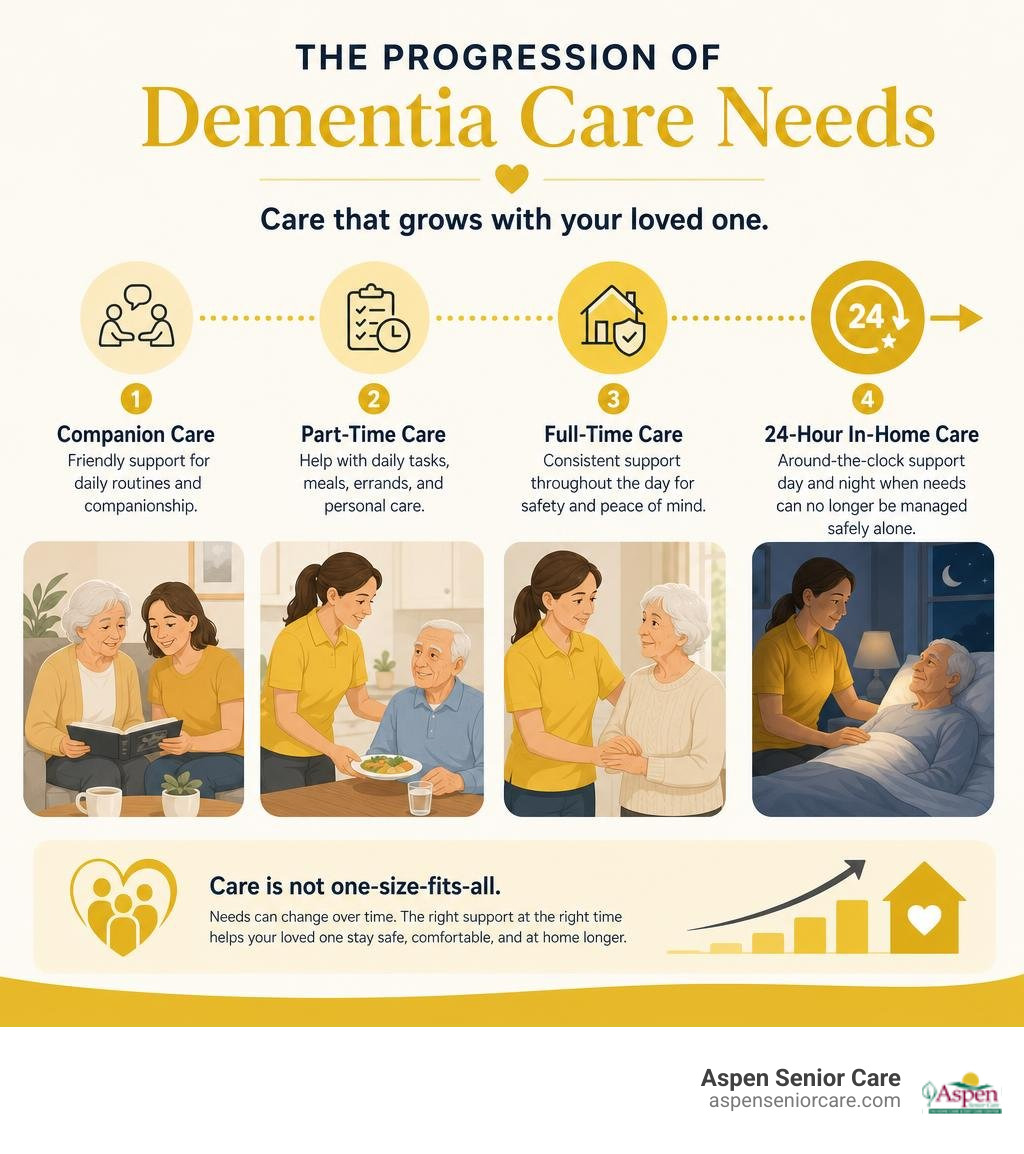
How do you know when it is time to upgrade from part-time help to 24-hour support? The transition is typically triggered by specific safety concerns and caregiver limitations:
Severe Caregiver Burnout: Family caregivers often experience physical exhaustion, high anxiety, and failing health of their own. If you are feeling completely overwhelmed, it is a sign that professional support is needed.
Wandering Risks: If your loved one has begun attempting to leave the house unattended, especially during the freezing Utah winters or hot summer months, they require awake overnight supervision.
Escalating Physical Needs: When transferring, toileting, and bathing become too physically demanding for a spouse or adult child to handle safely.
Behavioral Challenges: Unmanaged agitation, sundowning, or physical aggression that poses a safety risk to the senior or their family.
When these signs manifest, securing professional Memory Care support at home can protect your loved one's safety while restoring your peace of mind.
Comparing Home Care to Institutional Facilities
For families weighing their options, there are distinct differences between moving a loved one to a facility and keeping them at home:
Familiar Surroundings: For a person with dementia, environmental stability is therapeutic. Moving to a new, unfamiliar facility can trigger severe confusion, agitation, and rapid cognitive decline. Staying at home preserves their daily routines and comfort.
One-on-One Attention: In even the finest memory care communities, staff-to-resident ratios mean caregivers must split their attention among several residents. In-home care guarantees your loved one has 100% of the caregiver’s focus.
Flexible Socialization: If families want the benefits of socialization without the permanence of a residential facility, they can utilize our Senior Day Center Memory Care. This hybrid model allows seniors to enjoy engaging group activities during the day and return to the comfort of their own beds at night.
Managing Dementia Challenges and Ensuring Safety at Home
Caring for someone with progressive cognitive decline requires specialized communication techniques and environmental modifications. Professional caregivers are trained to adapt to these behavioral shifts with patience and empathy.
Handling Wandering, Sundowning, and Agitation
Three of the most common challenges in dementia care are wandering, sundowning, and unpredictable agitation. Professional caregivers manage these behaviors through proven, non-pharmacological approaches:
Wandering Prevention: Research shows that starting professional, structured home care early can reduce wandering incidents by more than 60%. Caregivers keep seniors engaged in purposeful activities and monitor exits closely without making the senior feel locked in.
Sundowning Management: Sundowning refers to increased confusion and agitation in the late afternoon and early evening. Caregivers mitigate this by establishing calm evening routines, closing drapes before dusk, reducing ambient noise, and ensuring the home is well-lit to eliminate disorienting shadows.
Validation and Redirection: Rather than arguing with a confused senior (which only increases agitation), trained caregivers use validation therapy to acknowledge their feelings and gently redirect their focus to a comforting topic, music, or a familiar activity.
Families looking for daytime respite and structured behavioral support often find that enrolling their loved one in a specialized program like our Senior Day Center Dementia or Senior Day Center Alzheimer program provides excellent cognitive stimulation and peer interaction.
Home Modifications for Aging in Place
To support a senior aging in place safely, families should perform a thorough home assessment and implement the following safety measures:
Bathroom Safety: Install high-quality grab bars in the tub and beside the toilet, lay down non-slip bath mats, and utilize a sturdy shower chair.
Exit Alarms: Place simple, chime-based door alarms on all exterior doors to alert caregivers if the senior attempts to wander outside.
Appliance Safety: Install automatic shut-off devices on stoves and ovens, or remove burner knobs entirely to prevent accidental fires.
Improved Lighting: Place motion-activated nightlights in hallways, bathrooms, and bedrooms to prevent falls during nighttime bathroom trips.
Remove Tripping Hazards: Secure loose rugs, clear away clutter from walking paths, and tuck away electrical cords.
Implementing these changes early on creates a secure environment where professional caregivers can focus on engagement rather than constant hazard management. If you need temporary relief while setting up these modifications, consider utilizing Orem Utah Caregiver Respite services to give yourself a much-needed break.
How to Choose the Right Care Provider
Selecting an agency to care for your parent in their private home is a deeply personal decision. While families in Utah County have access to national franchises and various independent registries, it is crucial to choose an agency that specializes specifically in dementia and prioritizes rigorous caregiver vetting.
When interviewing local providers, we recommend asking the following key questions:
Are your caregivers directly employed, bonded, and insured by your agency, or are they independent contractors?
What specific, dementia-focused training do your caregivers receive?
How do you handle caregiver call-offs or emergencies to ensure there is never a gap in our 24-hour coverage?
Will we have a consistent team of caregivers, or will there be a rotating cast of new faces every week?
How does your agency monitor caregiver performance and adapt the care plan as my loved one's needs change?
Finding a local, family-like provider that aligns with your values is paramount. For emotional support and shared wisdom during this journey, we highly encourage families to participate in local Caregiver Support Groups.
Frequently Asked Questions about Dementia Care
Is 24-hour in-home dementia care covered by Medicare?
No. Medicare does not cover long-term, non-medical in-home care or personal care assistance. It only covers short-term, doctor-prescribed skilled medical services (like physical therapy or wound care) delivered by a certified home health agency.
How do caregivers prevent wandering at night?
Professional caregivers use a combination of active overnight supervision, bed pressure pads that alert the caregiver when the senior stands up, door chimes, and structured daytime routines that promote healthy, natural sleep patterns at night.
What is the difference between hourly care and 24-hour care?
Hourly care is flexible and scheduled for specific blocks of time (e.g., 4 to 8 hours a day) to help with specific tasks or provide respite. 24-hour care is continuous, utilizing rotating shifts of awake caregivers to ensure your loved one is supervised and supported every minute of the day and night.
Conclusion
Navigating a loved one's progressive memory loss is a challenging journey, but you do not have to walk it alone. Securing 24-hour dementia care allows your parent to remain in the comfortable, familiar surroundings of their own home while ensuring they receive the specialized, dignified support they deserve.
At Aspen Senior Care, we are dedicated to providing award-winning, family-like, and highly personalized non-medical care to seniors throughout Utah Valley — including Orem, Provo, Lehi, American Fork, Pleasant Grove, and Spanish Fork. Whether you need a few hours of respite care or comprehensive, round-the-clock supervision, our team is here to bring your family peace of mind.
To learn more about how we can support your family, explore our In-Home Care services today or call us to schedule a personalized care consultation.