Beginner's Guide to Finding a Personal Care Assistant
Finding a Personal Care Assistant for an Aging Parent
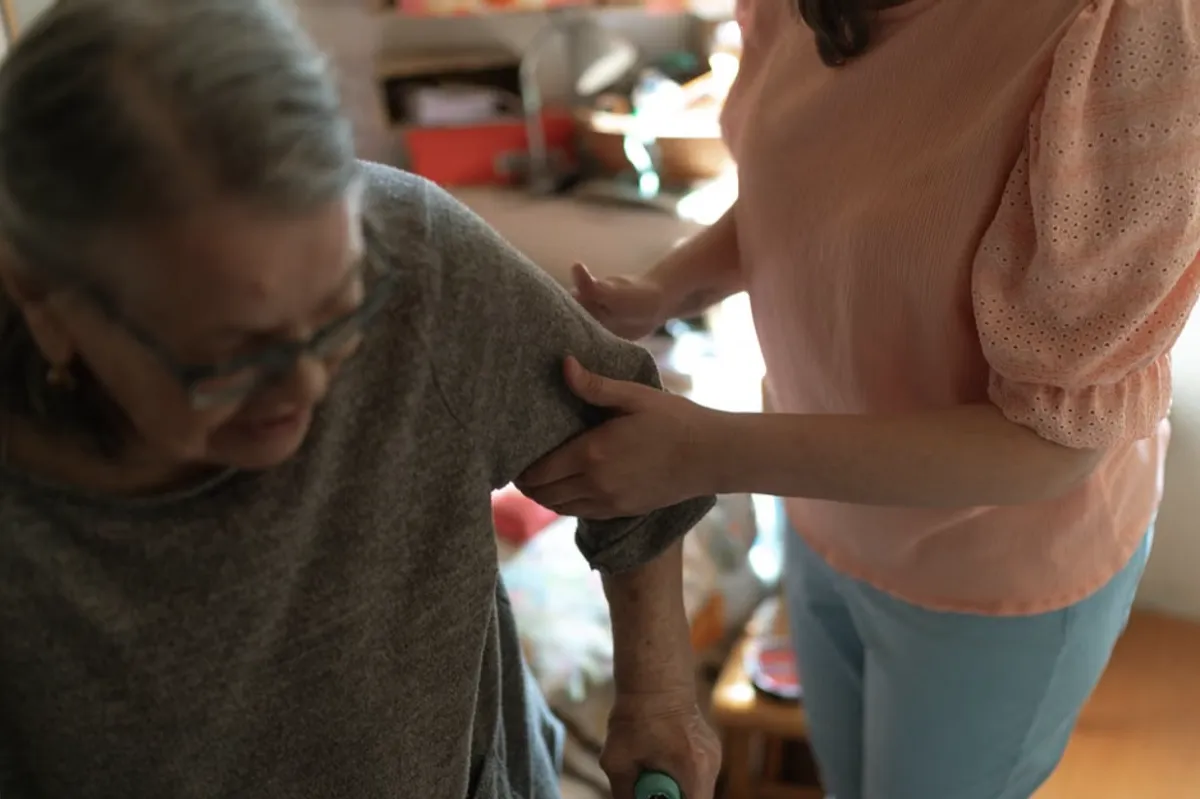
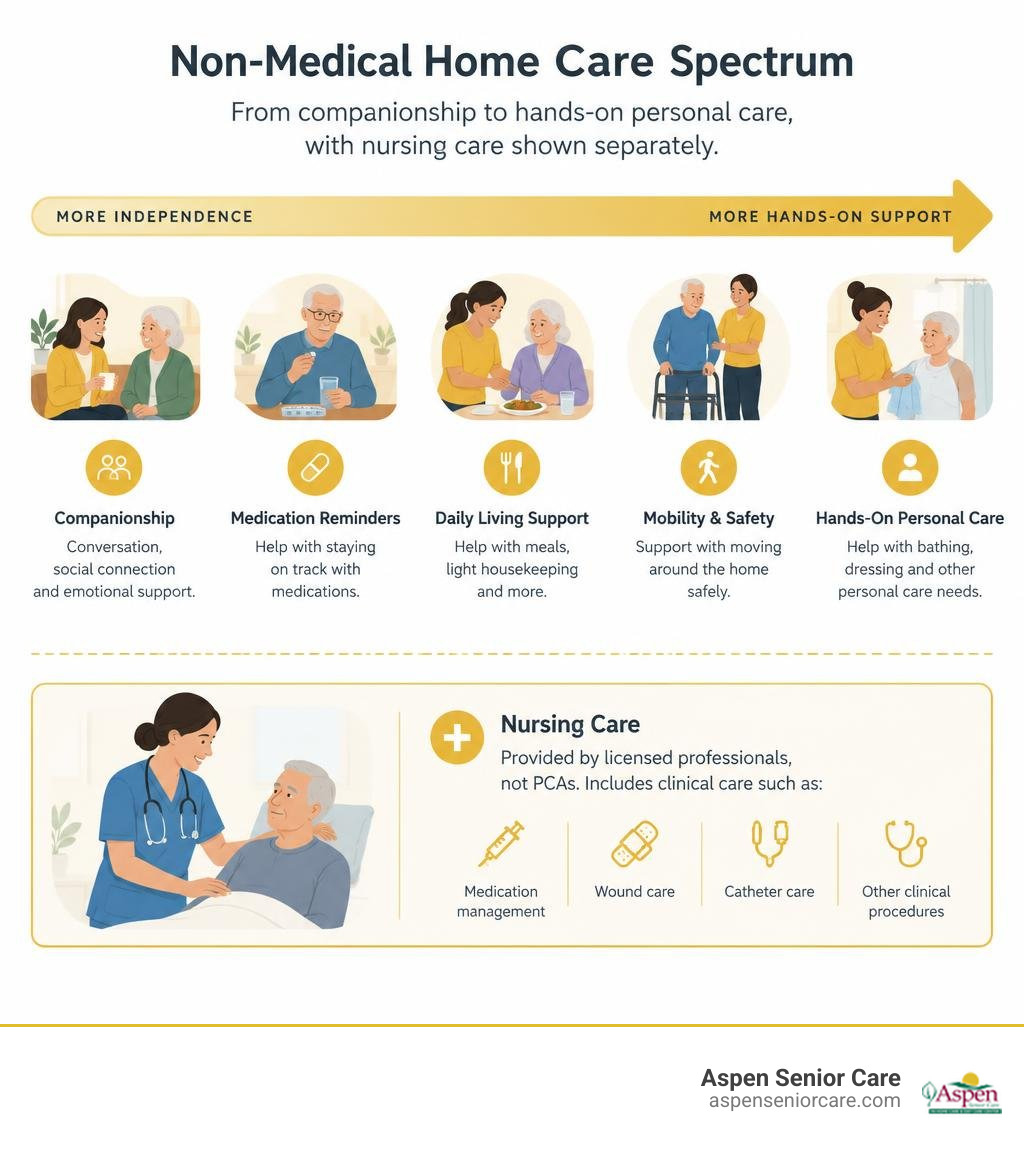
A personal care assistant (PCA) helps someone with daily tasks such as bathing, dressing, meals, and moving safely around the home. PCAs can also offer companionship and medication reminders, but they do not usually provide nursing care.
If your parent needs help in Utah Valley, start by listing the tasks they struggle with and when help is needed. Then ask care providers how they screen and train assistants, what tasks their staff can perform, and how they handle changes in your parent's needs.
Understanding the Personal Care Assistant Role and How It Differs from Other Care Providers
Navigating long-term care terminology can feel overwhelming. Families exploring elderly care at home often encounter a confusing alphabet soup of job titles: PCAs, HHAs, CNAs, and companion caregivers.
At its heart, a personal care assistant focuses on non-medical, hands-on support. They step in when everyday personal routines—clinically known as Activities of Daily Living (ADLs)—become challenging due to mobility limitations, cognitive decline, or normal aging. Because they operate in a non-medical scope of practice, PCAs do not perform invasive clinical procedures such as administering intravenous medications, changing sterile wound dressings, or managing catheter lines.
Instead, they provide practical, one-on-one assistance that keeps older adults safe, comfortable, and socially engaged in their own living spaces.
Comparing PCAs, Caregivers, HHAs, and CNAs
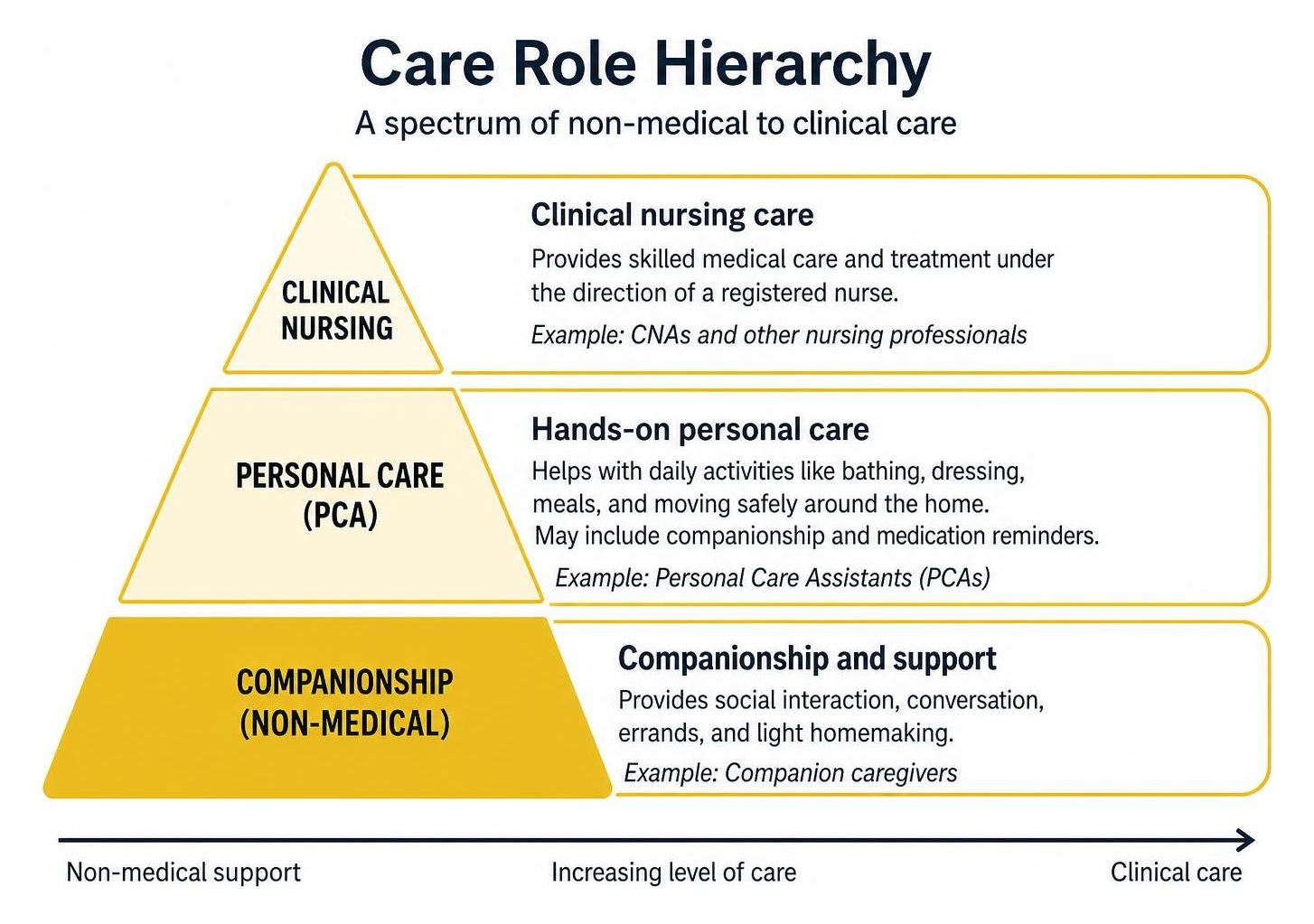
To determine which professional matches your family's circumstances, it helps to compare credentials, typical training hours, and clinical responsibilities side by side. While companion care for seniors emphasizes social interaction, errand running, and light homemaking without physical contact, personal care assistants provide direct, physical hands-on support.
Role | Primary Focus | Typical Training | Clinical Tasks Permitted? |
|---|---|---|---|
Companion Caregiver | Socialization, light housekeeping, meal prep, errands | Agency orientation / On-the-job training | No hands-on personal care |
Personal Care Assistant (PCA) | Hands-on ADL assistance (bathing, grooming, transfers), homemaking | State-specific training / High school diploma | Non-medical only; medication reminders |
Home Health Aide (HHA) | Personal care plus basic health monitoring | 75+ hours of training | Basic vitals, simple non-sterile care under RN supervision |
Certified Nursing Assistant (CNA) | In-depth nursing support and clinical documentation | 75–100+ hours state-approved course & exam | Vital signs, clinical observations, direct nurse delegation |
Programs such as the Online Personal Care Aide Training from Utah Valley University deliver up to 200 hours of specialized instruction covering human anatomy, safety, infection control, and nutrition, bridging foundational caregiving with essential non-medical competencies.
Core Duties of a Personal Care Assistant
A dedicated assistant adapts to the client’s unique routine. Day-to-day responsibilities typically include:
Hygiene & Personal Grooming: Assisting with safe showering, sponge baths, oral hygiene, shaving, and hair care.
Dressing & Wardrobe: Helping seniors select appropriate clothing and manage buttons, zippers, and compression socks.
Mobility & Safe Transfers: Assisting with walking, moving from bed to wheelchair, and utilizing walker devices to prevent falls.
Nutritious Meal Preparation: Planning, cooking, and serving balanced meals tailored to specific dietary needs (such as low-sodium or diabetic diets).
Light Housekeeping: Laundering bed linens, washing dishes, taking out trash, and keeping walkways clear of trip hazards.
Medication Reminders: Prompting clients to take pre-poured, scheduled prescriptions on time.
Transportation & Outings: Driving clients to local grocery stores, community events, or medical checkups across Utah County.
Qualifications, Compensation, and Working Conditions
The caregiving field is experiencing unprecedented expansion. As of 2026, home health and personal care aides account for roughly 4.7 million jobs nationwide. The U.S. Bureau of Labor Statistics projects employment in this field will grow 18% from 2025 to 2035—far outstripping the average for all occupations—with approximately 760,500 annual job openings driven by aging demographics.
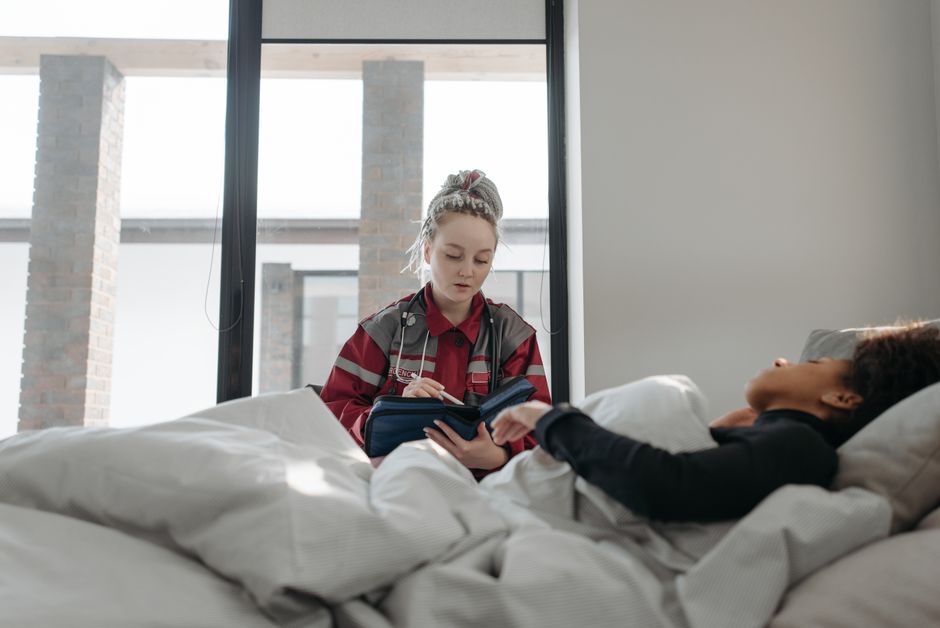
Training, Certifications, and Required Skills
Industry data indicates that approximately 48% of employers require a high school diploma or equivalent for entry-level positions, pairing formal onboarding with structured on-the-job mentorship. Essential qualifications and soft skills include:
First Aid & CPR Certification: Vital for emergency preparedness and immediate response.
Infection Control Knowledge: Understanding sanitation, glove usage, and hygiene protocols (important given that 71% of aides report daily exposure to transmissible illnesses).
Physical Stamina: The ability to lift, pivot, bend, and assist with physical transfers; surveys show 51% of aides spend their shifts continually walking or standing.
Observational Acuity: Spotting subtle changes in skin integrity, balance, appetite, or mood.
Empathy and Integrity: Treating vulnerable seniors with unwavering respect, patience, and dignity.
Modern coordination platforms such as Elera Health and Niibu help clinical teams and families streamline specialist appointments and care logistics, while specialized services like the 24G AI Skin and Hair Care Assistant demonstrate how personalized wellness insights continue to evolve across the broader health sector.
Work Environment, Daily Physical Demands, and Salary Outlook
Working as an in-home care aide involves high interpersonal intimacy—88% of aides report working in very close physical proximity to their clients, and 73% maintain constant interaction throughout their shifts.
Compensation varies by setting, experience, and geographical region:
Median Annual Wage (May 2025 BLS): $35,800 ($17.21 per hour).
National Wage Spread: The lowest 10% earn less than $27,040, while experienced aides in the top 10% earn above $45,040.
Residential Developmental Disability Facilities: Median wage of $37,340.
Continuing Care & Assisted Living Facilities: Median wage of $37,060.
Home Healthcare Services: Median wage of $36,230.
Individual & Family Services: Median wage of $34,900.
Because 60% of aides acknowledge that the consequence of an error in their work is extremely serious, following proper body mechanics and seeking ongoing education through caregiver support resources is vital for sustainable, long-term employment.
How to Find and Choose the Right Care Support for Your Family
When arranging care for an aging parent, families typically choose between hiring an independent private caregiver or partnering with a licensed, bonded home care agency. While private hiring might seem less expensive initially, it leaves families responsible for background checks, payroll taxes, liability insurance, workers' compensation, and last-minute shift coverage when someone calls in sick.
Reviewing a comprehensive in-home care guide helps families understand how agency management relieves these administrative burdens.

Evaluating In-Home Care Needs and Service Options
Start by completing a thorough assessment of your loved one's physical, cognitive, and emotional needs. Consider:
Weekly Hours: Do they need 4 hours of morning help or comprehensive 24/7 coverage?
Cognitive Needs: Does your parent show signs of memory loss or confusion requiring specialized dementia care?
Family Caregiver Fatigue: Could family members benefit from planned respite care services to rest and recharge?
Families balancing multiple household demands can delegate lifestyle errands to local concierge services such as Sherah or Luxe Runner, freeing up valuable time to focus on direct care decisions.
How to Hire and Vet a Personal Care Assistant
If you choose to interview candidates directly or want to evaluate prospective agency staff, use this practical vetting framework:
Experience & Training: "What hands-on experience do you have with transfer techniques, mobility equipment, and dementia support?"
Safety Protocols: "How do you handle emergency situations, sudden falls, or sudden client confusion?"
Background Screening: Verify that the provider conducts nationwide criminal background checks, motor vehicle record reviews, and multi-panel drug screenings.
Reliability & Backup Plans: "Who covers the shift if the scheduled assistant is ill or has an emergency?"
Transparent Rates: Review local home care pricing so you understand hourly rates, weekend differentials, and minimum shift requirements upfront.
Job seekers looking for opportunities across Utah County can explore openings via Orem personal assistant listings, Care.com Spanish Fork roles, or Indeed Alpine care positions.
Frequently Asked Questions About Personal Care Assistants
For quick answers regarding service policies and daily routines, you can review our frequently asked care questions or check the common questions below.
What is the primary difference between a PCA and a CNA?
A PCA provides non-medical assistance with daily living activities (bathing, dressing, meal prep, mobility) and does not hold a state clinical license. A Certified Nursing Assistant (CNA) has completed state-mandated clinical training and passed a competency exam, allowing them to record vital signs, perform basic nursing tasks, and work under direct registered nurse (RN) delegation.
Can a personal care assistant administer prescription medications?
In most states, standard PCAs cannot physically administer prescription medications (such as injecting insulin or placing pills into a client's mouth). They can, however, provide verbal reminders, open pre-sorted pill organizers, and document that medication was taken. Only specialized personnel, such as Qualified Medication Aides (QMAs) or licensed nurses, may legally administer medications.
How many hours of care can a personal care assistant provide?
In-home care is completely flexible. Services can range from short shifts (typically 3 to 4 hours per visit) up to round-the-clock 24/7 care utilizing rotating caregiver teams.
Conclusion
Finding the right care partner helps older adults maintain their independence, dignity, and comfort at home while giving family members invaluable peace of mind. Whether your loved one lives in Orem, Provo, Lehi, American Fork, Pleasant Grove, Spanish Fork, Alpine, or surrounding Utah County communities, Aspen Senior Care is here to support you.
Contact us today to explore our personalized in-home care services and build a customized care plan tailored to your family's needs.