
Everything You Need to Know About Working as an Aged Care Assistant
What Does an Aged Care Assistant Do?
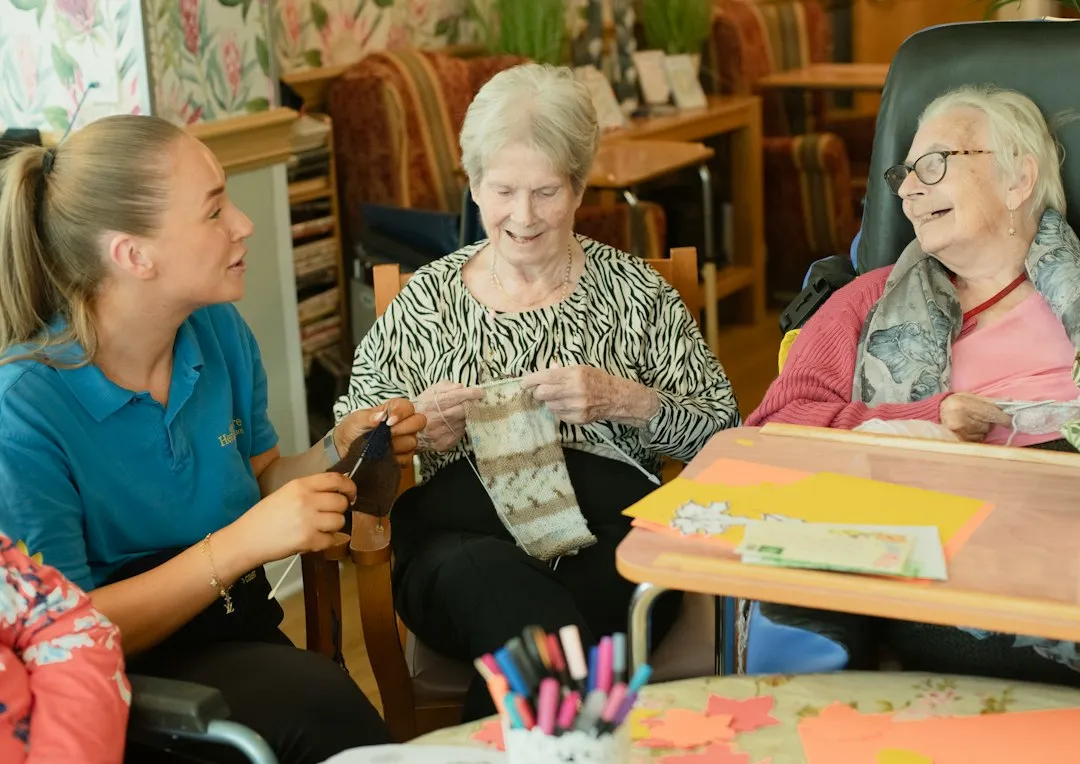
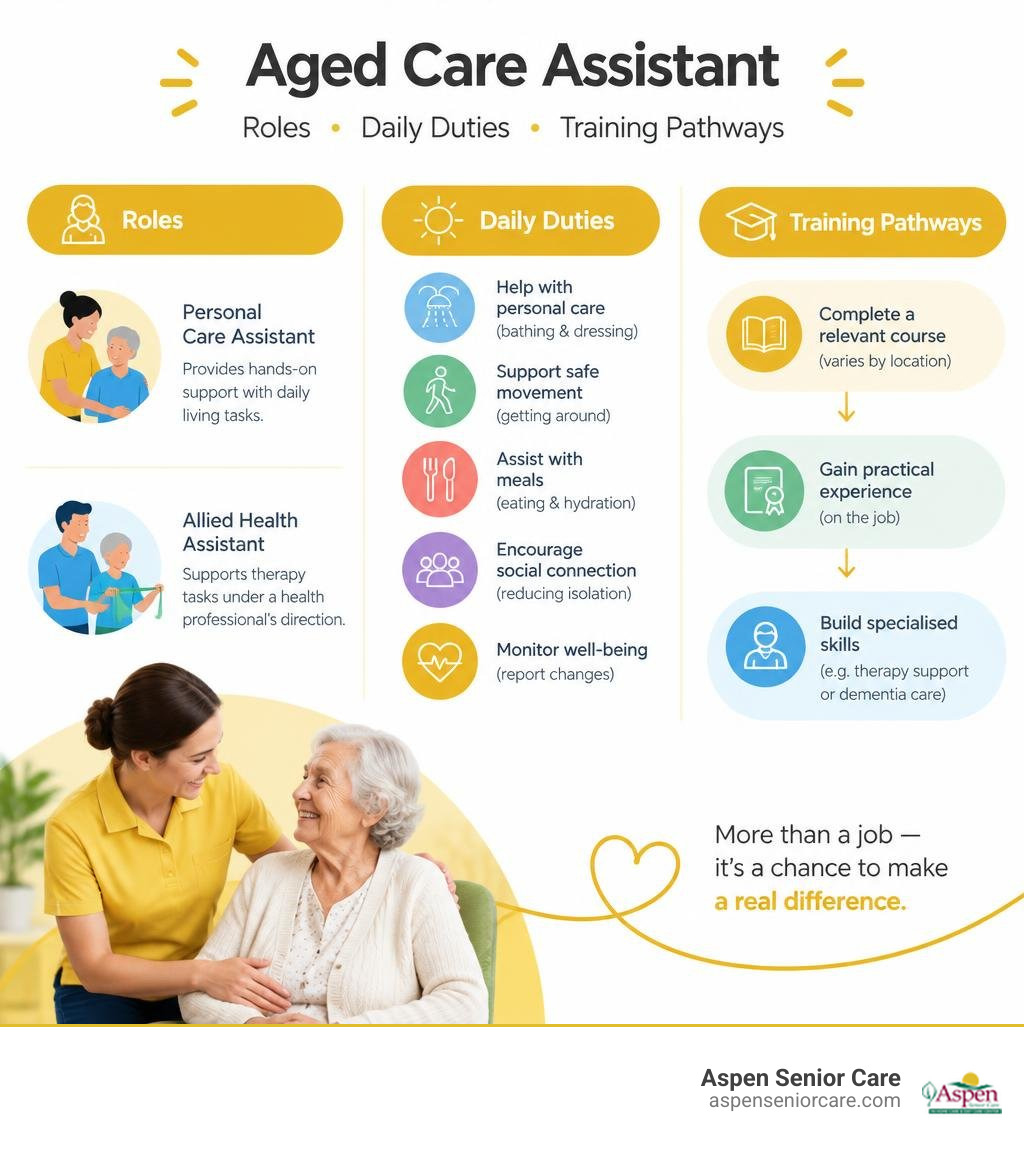
An aged care assistant helps older adults with daily tasks such as bathing, dressing, moving safely, eating, and staying connected with others. They may work in a care facility or in someone’s home. They also watch for changes in a person’s well-being and report concerns to the care team.
Job titles and training vary by location. In Australia, a personal care assistant usually provides hands-on support, while an allied health assistant helps with therapy tasks under a health professional’s direction. For families choosing care, the key question is what help a worker is trained and allowed to provide.
In 2026, demand for aged care assistants continues to grow as more families seek dependable, person-centered support for older adults. Whether you are considering a career in elder care or evaluating options for a loved one, understanding the role, qualifications, and daily responsibilities helps you make informed decisions. The work combines practical care skills with emotional support, and it requires patience, clear communication, and respect for each person’s preferences and routines.
Aged care assistants may support clients in residential facilities, adult day programs, or private homes. Their duties often shift throughout the day, from morning personal care and meal support to afternoon mobility exercises and evening documentation. Because no two clients are the same, assistants learn to adapt their approach while following individual care plans and safety guidelines.
Understanding the Role and Daily Duties of an Aged Care Assistant

The heart of elder care lies in human connection and preserving personal dignity. Whether serving in residential facilities or as part of a dedicated in-home care team, these frontline professionals ensure that aging adults maintain independence, self-respect, and quality of life.
Daily Responsibilities of a Practicing Aged Care Assistant
The everyday rhythm of an assistant revolves around individualized care plans that address physical, psychological, and social well-being:
Hygiene and Personal Care: Offering respectful assistance with showering, grooming, oral care, and dressing while promoting self-reliance whenever possible.
Mobility and Reablement: Assisting with transfers, walking routines, wheelchair maneuvering, and therapist-prescribed reablement exercises to keep muscles strong.
Nutrition and Hydration: Serving balanced meals, encouraging fluid intake, noting dietary preferences, and logging any changes in appetite or weight.
Vital Observation and Reporting: Monitoring baseline health, noticing shifts in skin condition, mood, or mobility, and immediately escalating concerns to supervising nurses.
Documentation: Keeping accurate progress notes, behavioral charts, and care logs to maintain continuous records across shifts.
Specialized Memory Support: Delivering structured engagement for individuals receiving specialized 24-hour dementia care to prevent wandering and reduce agitation.
Each of these responsibilities requires both technical skill and emotional intelligence. For example, assisting with personal hygiene is not only about physical safety; it also involves protecting a client’s privacy and comfort. Similarly, mobility support requires careful observation of fatigue, balance, and pain levels so that exercises remain safe and effective.
Direct Care vs. Food Services Assistant: Distinct Responsibilities
A common question is how hospitality roles differ from personal care workers:
Direct Care Workers (PCAs/Support Workers): Focus on hands-on physical assistance, personal hygiene, reablement, direct emotional support, and medication prompts.
Food Services Assistants: Focus on front-of-house meal distribution, kitchen hygiene, setting dining areas to create a café-style atmosphere, and light meal prep.
While food services staff build warm relationships during meal times, they do not manage toileting, transfers, clinical documentation, or complex physical care. Understanding this boundary helps families and new workers know what to expect from each role and ensures that clients receive the right level of support from the right team member.
Aged Care Support Worker vs. Allied Health Assistant: Qualifications and Roles
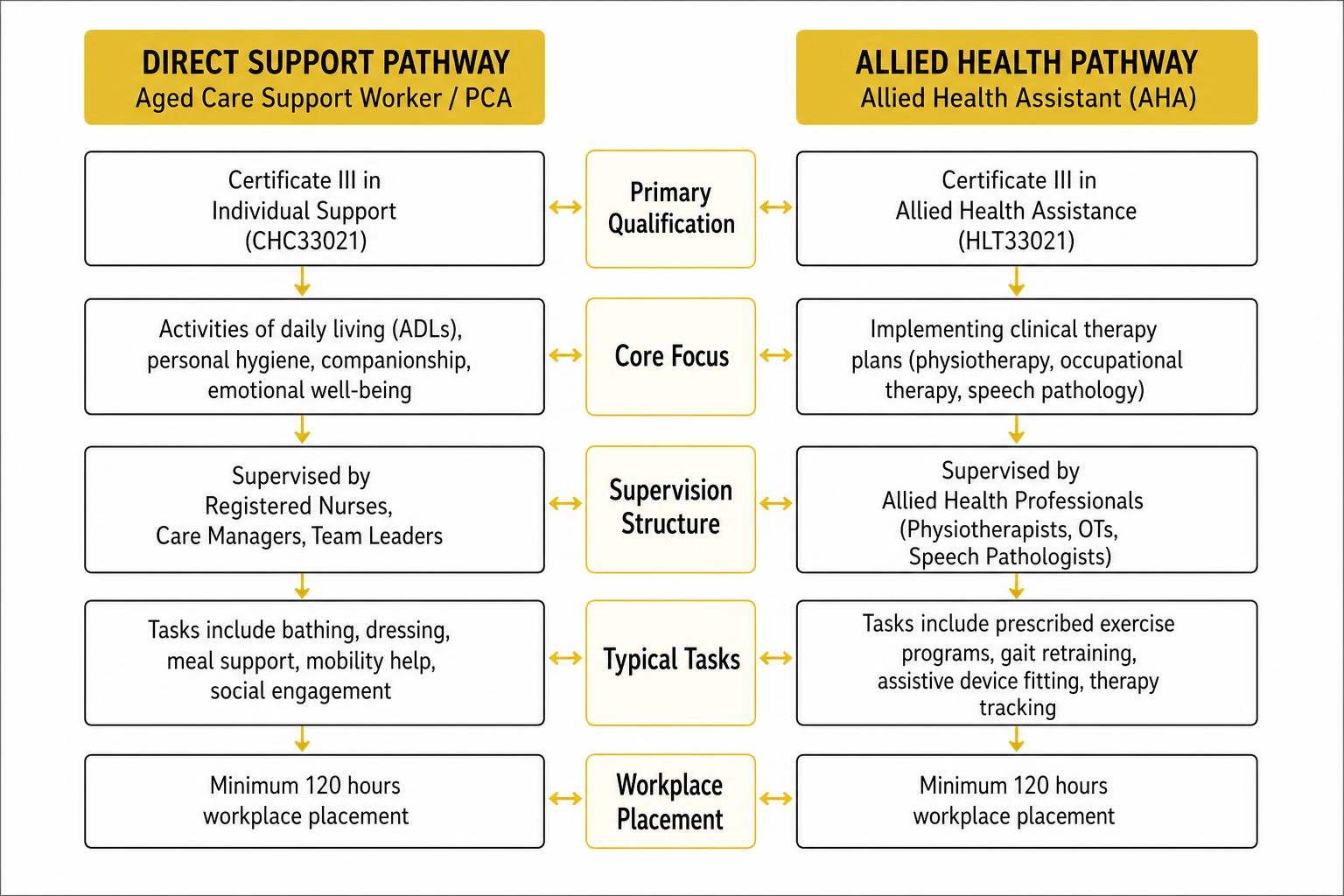
Both roles improve quality of life, but their educational pathways and daily scopes of practice differ significantly:
Feature | Aged Care Support Worker / PCA | Allied Health Assistant (AHA) |
|---|---|---|
Primary Qualification | Certificate III in Individual Support (CHC33021) | Certificate III in Allied Health Assistance (HLT33021) |
Core Focus | Activities of daily living (ADLs), personal hygiene, companionship, emotional well-being | Implementing clinical therapy plans (physiotherapy, occupational therapy, speech pathology) |
Supervision Structure | Registered Nurses, Care Managers, Team Leaders | Allied Health Professionals (Physiotherapists, OTs, Speech Pathologists) |
Typical Tasks | Bathing, dressing, meal support, mobility help, social engagement | Prescribed exercise programs, gait retraining, assistive device fitting, therapy tracking |
Workplace Placement | Minimum 120 hours | Minimum 120 hours |
Certificate III in Individual Support (CHC33021) and Aged Care Competencies
The standard credential for entry-level direct care is the Certificate III in Individual Support. It equips workers with practical skills for home, community, and residential environments, building on foundational standards like the historical CHC30208 competency framework details.
Students learn infection prevention, person-centered support, and cultural safety, alongside completing a mandatory 120 hours of workplace placement. These skills are essential when providing structured respite care or home-based assistance.
Certificate III in Allied Health Assistance (HLT33021) and Clinical Rehabilitation
For those focused on rehabilitation, the training requirements on the National Training Register set out the curriculum for therapy aides. This qualification trains assistants to support allied health professionals with physical therapy regimens, fall-prevention screenings, and adaptive equipment maintenance across 120 clinical placement hours.
Specialized Dementia and Memory Support for an Aged Care Assistant
Caring for individuals with cognitive decline requires specific communication strategies, patience, and behavioral awareness. Assistants learn to read non-verbal cues, manage sensory overload, and redirect distress into calming activities. Many also collaborate with a dedicated senior day center team to provide social connection in structured, secure environments.
Mandatory Requirements, Screening, and Onboarding in 2026

To protect vulnerable individuals, prospective workers must meet strict compliance and screening standards before starting:
NDIS Worker Screening Check / National Police Clearance: Verifying criminal history clearance.
First Aid and CPR Certification: Current HLTAID011 (Provide First Aid) and HLTAID009 (Provide CPR).
Vaccination Compliance: Up-to-date immunizations (including annual Influenza and COVID-19 boosters per facility policies).
Manual Handling Training: Practical certification in safe transfers, slide sheets, and standing hoists.
These requirements are designed to protect both clients and workers. Screening checks help ensure that only suitable individuals enter care environments, while first aid and manual handling training prepare assistants to respond calmly and safely in everyday situations. Employers typically verify all documentation before a new worker begins, and many organizations require annual refresher training to keep skills current.
The Onboarding Process: What to Expect During a Buddy Shift
A buddy shift is a structured, paid onboarding shift where a newly hired assistant is paired with an experienced mentor.
During buddy shifts, new hires shadow patient transfers, learn facility routines, practice digital charting, and receive real-time feedback. This hands-on pairing builds clinical confidence before workers take on independent shifts. Mentors also demonstrate how to communicate with clients, follow infection control procedures, and use equipment such as hoists and slide sheets correctly. By the end of the buddy shift period, new assistants should feel familiar with the care environment and understand how to escalate concerns appropriately.
2026 Pay Rates, Award Classifications, and Career Progression
Major award reforms have significantly improved compensation across the care sector. Under the Fair Work Commission framework, workers can review Aged Care Award entitlements and pay guidance to confirm their baseline rates and penalty conditions.
Understanding CSE Classifications, Base Pay, and Shift Allowances
Direct care workers are classified under Client Service Employee (CSE) pay grades:
Base Rate: A qualified Certificate III support worker earns a minimum of $32.21 per hour under the standard award.
Shift Loadings: Additional compensation for non-standard hours (e.g., 10% to 15% for afternoon and night shifts).
Weekend Penalties & Overtime: Premium penalty rates apply for weekend shifts and hours exceeding standard thresholds.
Allowances: Workers may also receive uniform, laundry, and nauseous work allowances.
Pay rates can vary based on experience, qualifications, and the specific employer or facility. Workers should review their classification level carefully and confirm how shift loadings and allowances apply to their roster. Keeping accurate records of hours worked, including overtime and weekend shifts, helps ensure correct payment under the award.
Career Pathways: From Entry-Level Assistant to Leadership
Care work offers clear pathways for long-term career growth:
Entry-Level Support Worker / PCA: Delivering hands-on care under direct supervision.
Senior Support Worker / Specialist: Leading dementia care, mentoring new hires, and handling complex care plans.
Team Leader / Care Coordinator: Managing daily shift rosters, conducting care audits, and serving as the primary liaison for families.
Clinical Care Manager / Registered Nurse: Progressing through a Bachelor of Nursing to oversee facility-wide clinical governance.
Many assistants begin with a Certificate III and later pursue additional qualifications in dementia care, leadership, or nursing. Employers often support ongoing training, and experienced workers may move into roles that involve mentoring, care planning, or team coordination. This progression allows dedicated professionals to build a long-term career while continuing to make a meaningful difference in the lives of older adults.
Frequently Asked Questions About Aged Care Roles
What does CSE mean under the Aged Care Award?
CSE stands for Client Service Employee. It is the formal grading classification used to determine a worker's base wage, duties, and supervisory responsibilities under the Aged Care Award.
How many clinical placement hours are mandatory for qualifications?
Both the Certificate III in Individual Support (CHC33021) and the Certificate III in Allied Health Assistance (HLT33021) require a minimum of 120 hours of supervised workplace placement.
Can you work as an aged care assistant without prior certification?
Yes. Many organizations hire uncertified assistants under direct supervision while they complete their Certificate III via a workplace traineeship. In these arrangements, the employer typically provides structured training and mentoring, and the worker’s duties are limited until the required competencies are demonstrated.
Conclusion
Working in elder care is a vital, rewarding career that blends technical skill with genuine empathy. At Aspen Senior Care, we understand how essential well-trained, caring professionals are to preserving dignity for older adults. If your family is exploring personalized support options, discover how our compassionate in-home care services provide dependable peace of mind.