A Comprehensive Guide to Comparing Senior Wellness Centers
Why Choosing the Right Wellness Center for Seniors Matters
A wellness center for seniors is a community-based facility where older adults can access fitness classes, social programs, nutritious meals, and health education — all in one place. If you're trying to find the right fit for an aging parent, here's a quick overview:
What senior wellness centers typically offer:
Physical fitness — yoga, tai chi, cardio equipment, weight rooms
Social programs — group activities, clubs, outings, and shared meals
Mental wellness — lifelong learning classes, computer labs, creative arts
Health support — caregiver counseling, health screenings, nutritional programs
Eligibility — most centers serve adults 60+ and require proof of age and residency
Cost — many are free or low-cost, with subsidized meals (as low as a $2.50 suggested donation)
For families in Utah Valley balancing jobs, kids, and an aging parent who needs more support during the day, these centers can be a lifeline. But not every center is the same — and choosing the wrong one can mean your parent ends up somewhere that doesn't meet their actual needs.
Some centers focus on active, independent adults. Others offer specialized programs for dementia, Parkinson's, or chronic conditions. Some are run by county governments. Others are private. The programs, hours, costs, and eligibility rules vary widely.
This guide breaks it all down so you can compare your options clearly and confidently.
What is a Wellness Center for Seniors?
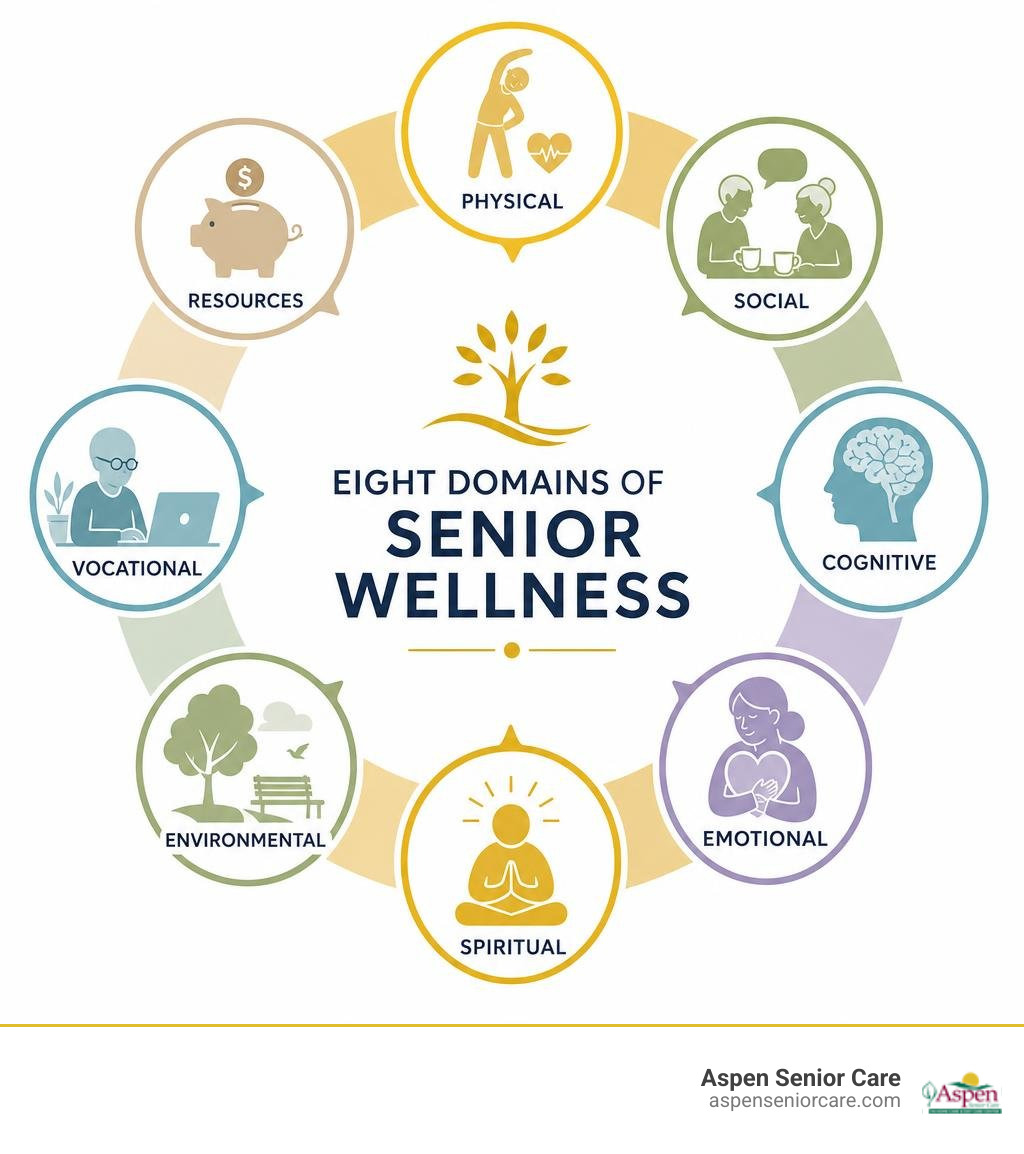
A wellness center for seniors is a specialized community hub designed to help older adults take charge of their health, mental clarity, and social lives. Unlike standard gyms or generic community centers, these facilities are built from the ground up with aging bodies and minds in mind. They focus on a holistic model of healthy aging, often incorporating physical fitness, social wellness, and cognitive health into their daily calendars.
Many modern senior wellness centers have also embraced hybrid programming. By offering both virtual activities and in-person events, they ensure that seniors with varying levels of mobility can still participate in group exercises, educational seminars, and social hours from the comfort of home when needed.
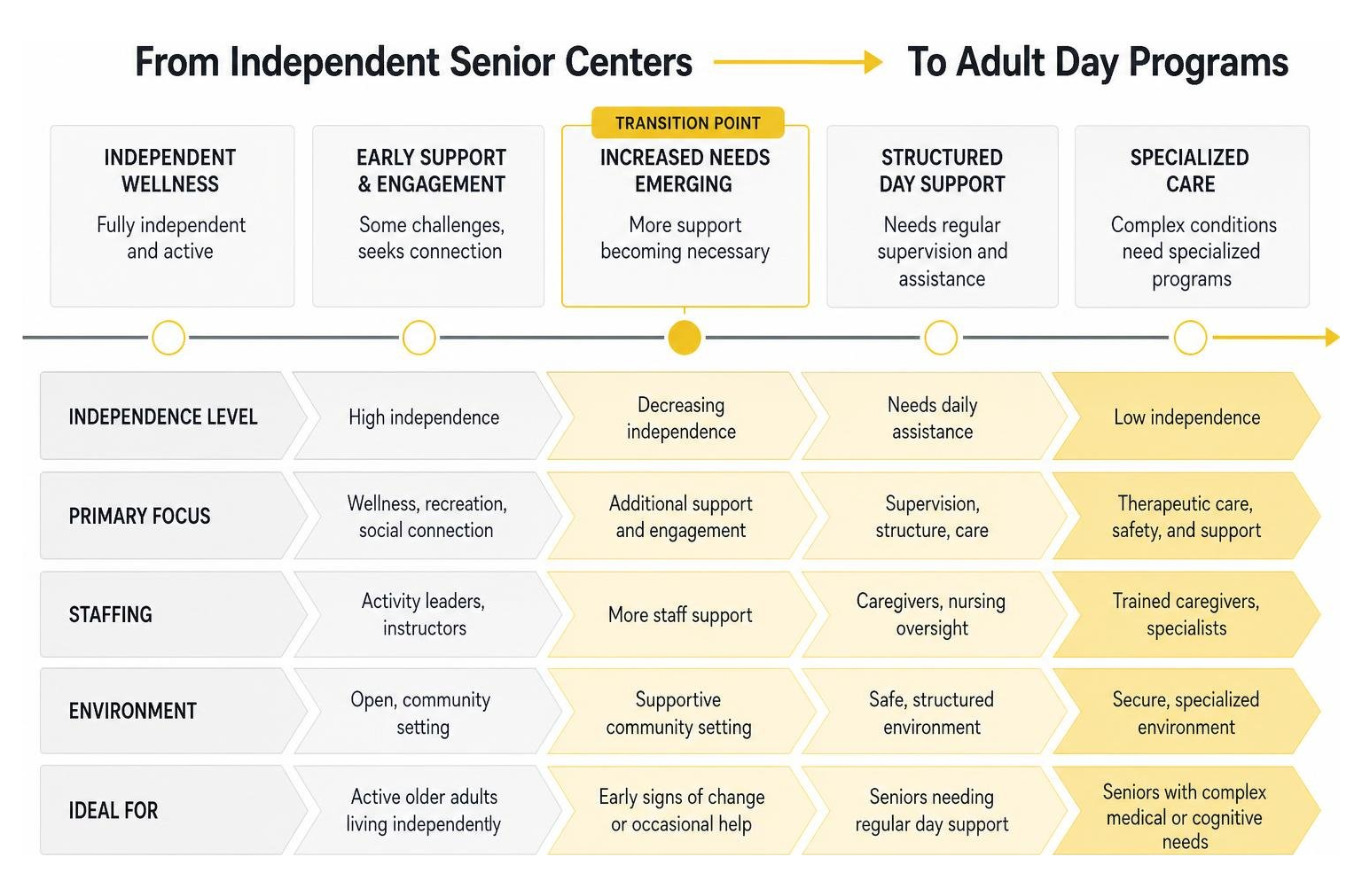
However, many families confuse senior wellness centers with senior day centers (often called adult day centers). While they sound similar, they serve very different populations and offer different levels of care.
To help you understand the distinction, we have put together a quick comparison:
Feature Senior Wellness Center Senior Day Center (Adult Day Care) Primary Focus Recreation, fitness, and independent socialization Structured care, supervision, and therapeutic activities Independence Level High (participants must be physically and cognitively independent) Moderate to low (designed for seniors needing assistance or supervision) Medical/Support Staff Minimal (mostly activity coordinators and fitness instructors) High (trained caregivers, nurse supervision, and memory care specialists) Dementia/Alzheimer's Support Rare (unsupervised environments are not secure for wandering) Extensive (highly secure environments with specialized cognitive therapies) Cost Structure Low-cost membership or free county-subsidized programs Daily or hourly rates (often covered by long-term care insurance or Medicaid)
If your loved one is fully independent and simply looking for a gym, a computer lab, or a pottery class, a municipal senior wellness center is a fantastic option. If they require supervision, hands-on assistance, or specialized memory care, a professional Senior Day Center is the safer and more supportive choice.
Core Programs Offered at a Wellness Center for Seniors
When you walk into a vibrant senior wellness center, you will quickly realize these facilities are far more than just "bingo halls." They are active, bustling environments designed to keep the mind and body sharp.
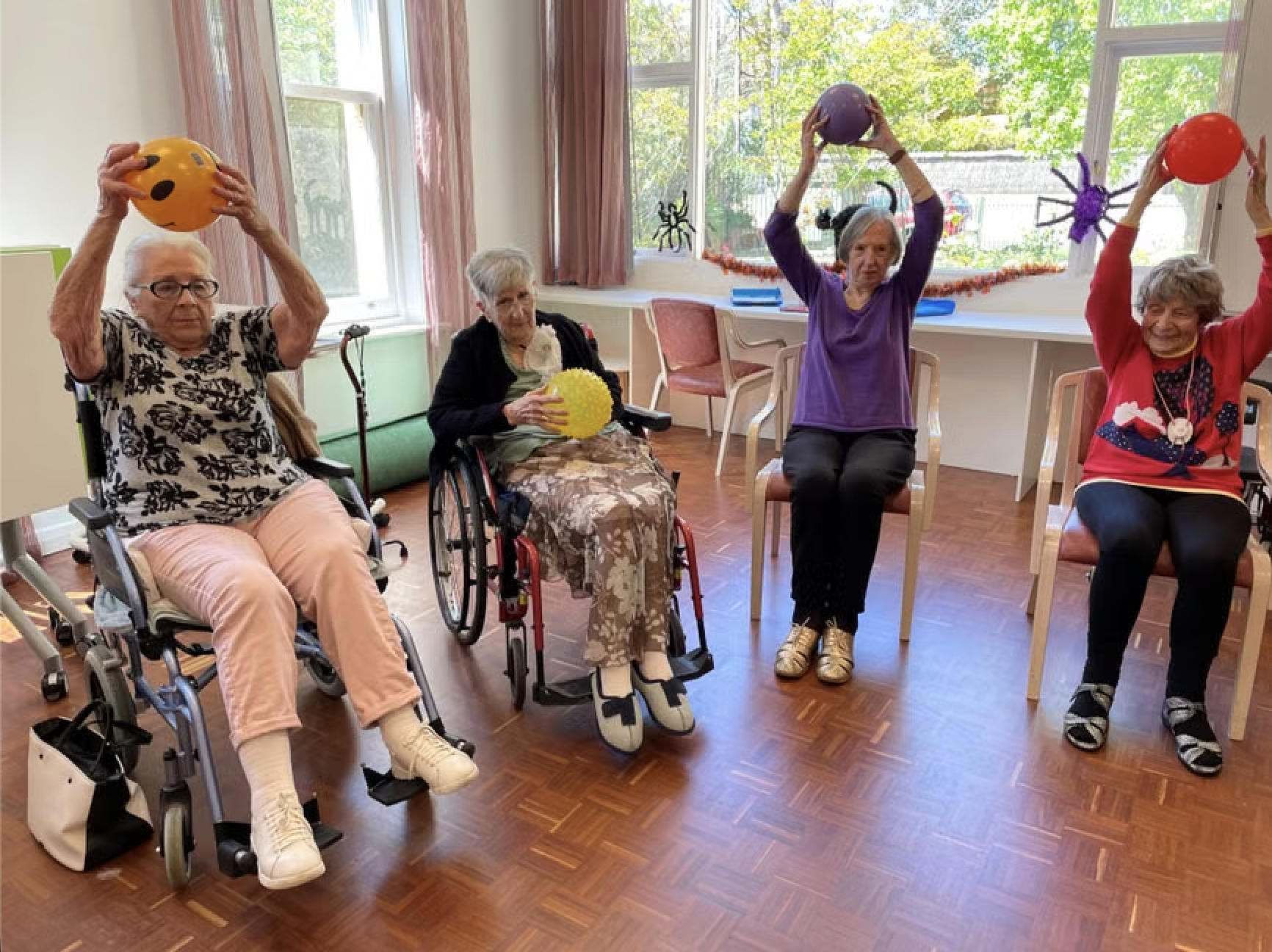
Typical physical fitness options include low-impact exercise classes like yoga, tai chi, and water aerobics, alongside dedicated weight and cardio rooms. For mental stimulation, many centers host computer labs, creative arts classes (such as painting, jewelry making, and pottery), book clubs, and continuing education lectures.
If you are looking for a comprehensive list of recreational programs, local resources, and senior activities available throughout Utah County, the MAG Senior Help Guide - Recreation is an excellent starting point to explore what our local communities have to offer.
Nutritional Support and Congregate Meals
Nutrition is a cornerstone of healthy aging, and senior wellness centers play a critical role in preventing senior malnutrition and social isolation through their meal programs.
Most community centers offer weekday congregate meals—subsidized, nutritionally balanced lunches served in a group setting. These meals are designed not only to satisfy dietary guidelines but also to bring seniors together to chat, laugh, and build consistent social circles.
In addition to standard congregate dining, progressive centers offer specialized dietary programs, nutritional counseling, and partnerships with local farms to bring fresh produce directly to seniors. Some centers even prepare emergency shelf-stable meals to distribute to members ahead of severe winter weather or natural emergencies, ensuring that vulnerable older adults are never left without food.
Comparing Costs, Eligibility, and Operations
Understanding the logistics of senior wellness centers is essential before making a visit. Each center has its own set of rules regarding who can join, when they are open, and what fees are associated with their programs.
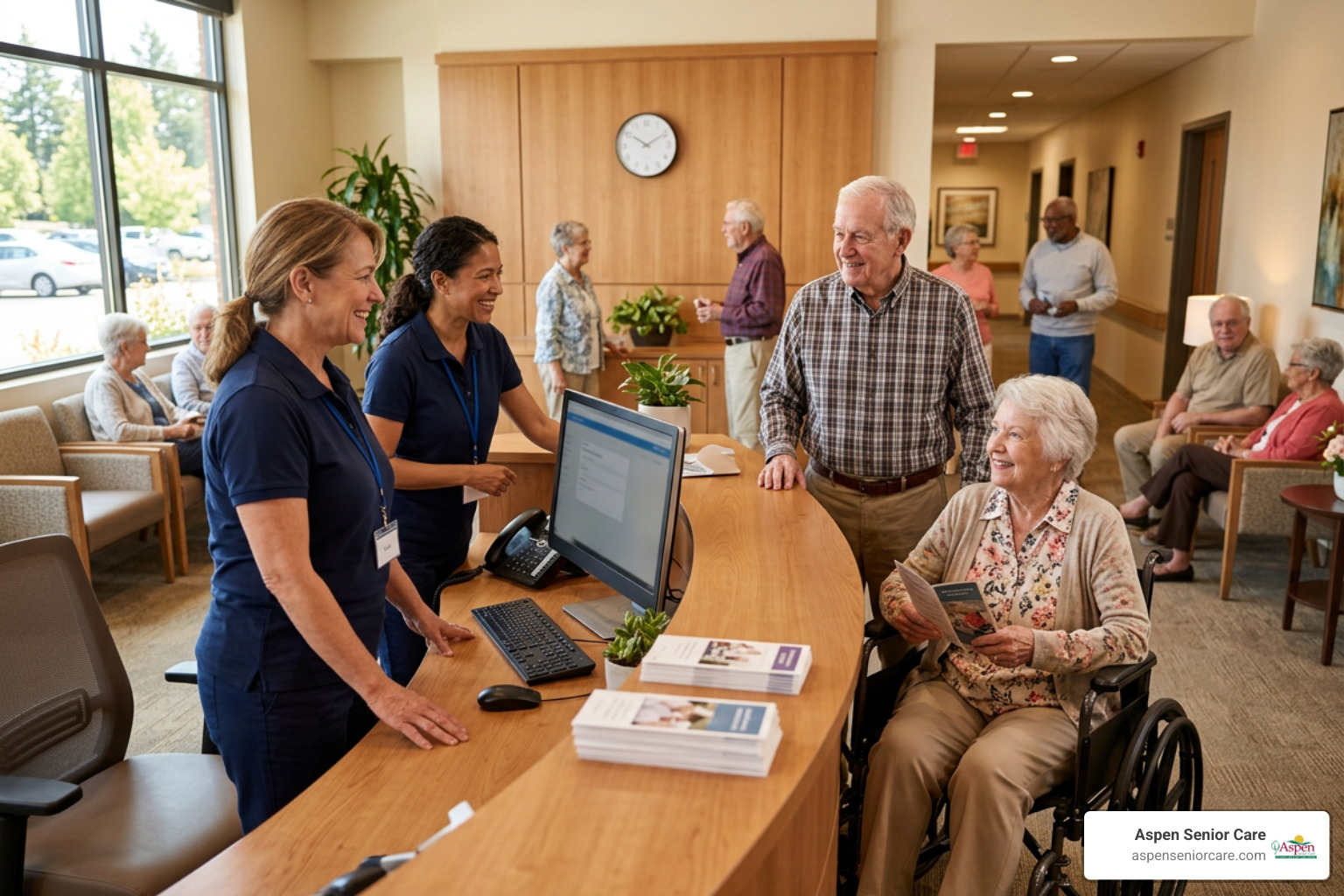
Typical Costs and Subsidized Fees
One of the greatest benefits of public senior wellness centers is their affordability. Many county-run or city-run centers charge little to no membership fees for local residents.
For example, municipal programs often operate on a sliding scale or suggested donation basis. Subsidized weekday lunches typically ask for a small suggested donation (often around $2.50 to $3.00) for seniors aged 60 and older. If a participant is under 60 but attending as a caregiver, they are usually welcome to eat but will pay the full, non-subsidized cost of the meal (which typically ranges from $8.00 to $9.00).
A wonderful local example of this balance of affordable recreation and community connection is the Orem Senior Friendship Center, which offers a variety of low-cost activities, classes, and social meals specifically tailored to residents in the Orem area.
Operating Hours and Regional Locations
Most public senior wellness centers operate on a standard weekday schedule, typically opening around 8:00 AM or 9:00 AM and closing by 4:00 PM or 5:00 PM, Monday through Friday. Some larger centers may extend their hours into the early evening on specific days to accommodate educational seminars or special community events.
If you are looking for localized programs and operating hours in the heart of Utah County, you can explore the Provo Senior Programs directory, or check out the activities calendar at the Lehi Senior Center to find a schedule that fits your family's routine.
Specialized Care and Support Services
While standard senior wellness centers are wonderful for active, independent older adults, aging often brings physical and cognitive changes that require more than just a gym membership and a social calendar. When chronic conditions, mobility limitations, or cognitive decline enter the picture, seniors require a higher level of specialized care.
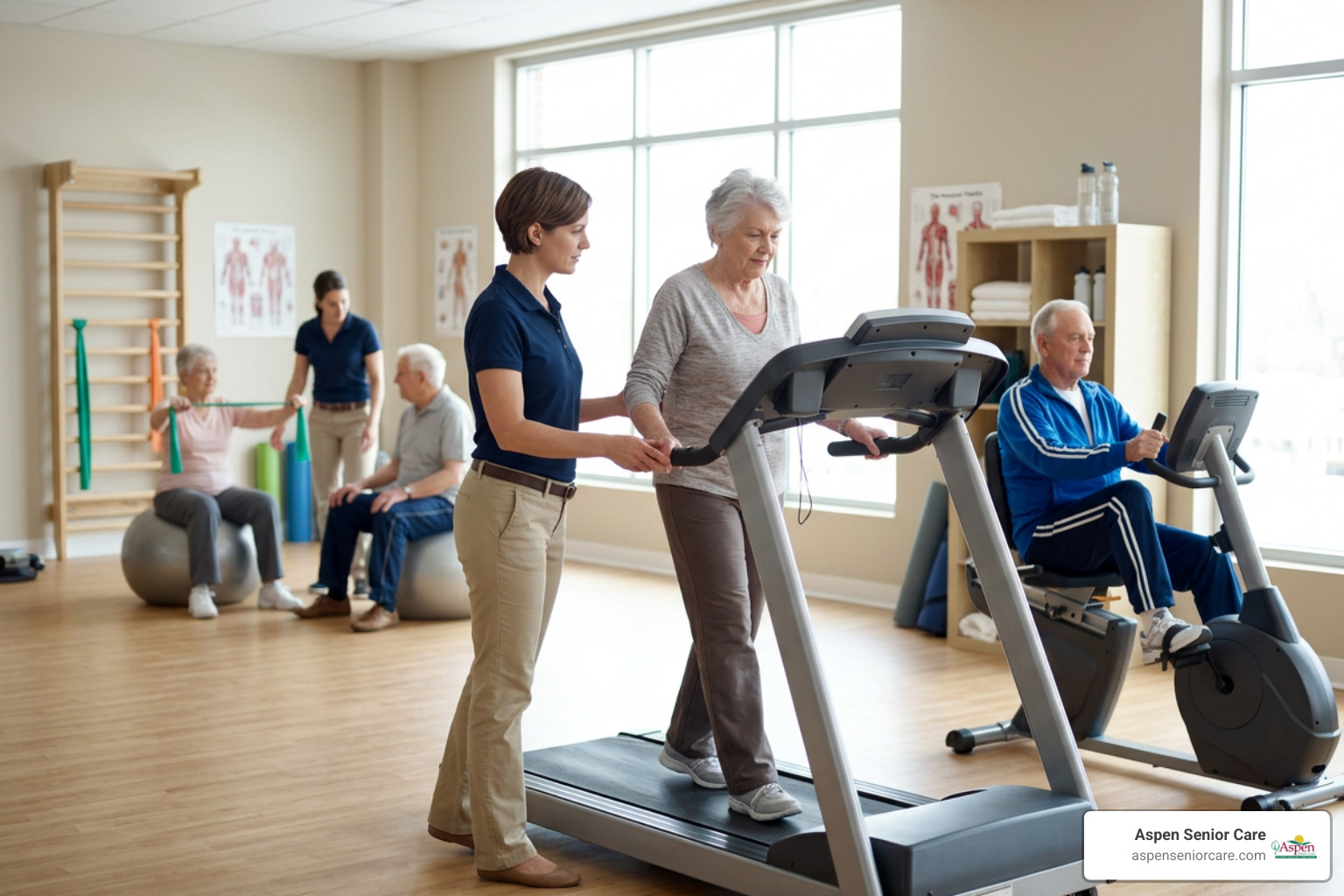
For families navigating these changes, finding the right assistance can feel overwhelming. Having access to professional Care Giver Resources can help you understand the transition from basic senior recreation to specialized therapeutic care.
Memory Care and Cognitive Support at a Wellness Center for Seniors
For seniors experiencing mild cognitive impairment, dementia, or Alzheimer's disease, a traditional, independent senior center can quickly become overwhelming or even unsafe. Because these public facilities are open to the general public and do not have secure exits, they are not designed to protect seniors who may wander or experience confusion.
This is where specialized cognitive support programs make all the difference. If your loved one is showing signs of cognitive decline, transitioning them to a dedicated Senior Day Center Memory Care program ensures they are surrounded by staff trained in dementia care.
To support a senior's cognitive health and safety both during the day and at home, families often combine day programs with professional In-Home Care Cognitive Support. This combined approach provides a seamless, familiar routine.
For those specifically dealing with advanced stages of memory loss, exploring targeted resources like a specialized Senior Day Center Dementia program or a Senior Day Center Alzheimer program can provide the structured, failure-free activities that keep your loved one engaged without causing frustration.
Additionally, if your goal is to keep your parent in their beloved home as long as possible, utilizing specialized In-Home Care Dementia or In-Home Care Alzheimer services can provide you with the peace of mind that they are safe, comfortable, and receiving expert support.
Specialized Programs for Parkinson's and Chronic Conditions
Chronic neurological conditions, such as Parkinson's disease, require highly specific physical and vocal therapies to help manage symptoms and preserve independence. Progressive senior wellness programs and specialized day centers often integrate evidence-based therapies directly into their weekly schedules.
Two of the most respected protocols for Parkinson's are:
LSVT BIG: A specialized physical therapy program that focuses on large, exaggerated movements to help overcome the slow, small movements (bradykinesia) typically caused by Parkinson's. This training helps seniors improve their balance, stride length, and overall mobility.
LSVT LOUD: A speech therapy program designed to help Parkinson's patients project their voices and speak more clearly, combating the quiet, raspy speech patterns that often develop with the condition.
If your loved one is living with these challenges, enrolling them in a dedicated program like our Senior Day Center Parkinsons support group can help them maintain their motor skills, speech clarity, and confidence in a warm, encouraging environment.
Frequently Asked Questions about Senior Wellness Centers
Navigating the senior care landscape can raise a lot of questions. Here are some of the most common inquiries we receive from families in Utah Valley.
Is a senior wellness center the same as an adult day facility?
No, they are quite different. A senior wellness center is designed for active, independent older adults who can manage their own physical and cognitive needs. These centers do not provide hands-on physical assistance, medication management, or continuous supervision.
An adult day facility (or senior day center), on the other hand, is designed specifically for seniors who need extra help, supervision, or specialized memory care throughout the day. If you are unsure which level of care is right for your family, you can read through our comprehensive FAQ page to learn more about the differences in care, supervision, and daily programming.
Are caregivers allowed to attend wellness center programs?
Yes, in most cases! Many county and municipal wellness centers explicitly welcome family caregivers to attend classes, educational seminars, and lunch programs alongside the senior they support. This is a wonderful way for caregivers to spend quality time with their loved ones in a stimulating, social environment.
However, caregiving is a demanding role, and you shouldn't have to walk this path alone. To connect with other families who understand your journey, we highly recommend participating in local Caregiver Support Groups to share advice, find comfort, and prevent burnout.
How do I register for a local senior wellness center?
To register for a local public senior center, you will typically need to visit the facility in person or call to set up an initial intake. Most municipal centers require:
Proof of Age: Usually a driver's license or state ID verifying you meet the minimum age requirement (typically 60+ for subsidized programs).
Proof of Residency: A utility bill or ID showing you live within the county or city limits of the center.
Mandatory Orientation: Many centers require a brief orientation walkthrough, especially if you plan to use their fitness equipment or gym facilities, to ensure your safety.
For residents in the northern part of Utah County, you can find specific registration guidelines and activity calendars by visiting the American Fork Senior Activities page.
Conclusion
Finding the right wellness center for seniors is all about matching your loved one's unique physical, social, and cognitive needs with the right environment. Whether they are looking for a lively place to take yoga and paint, or they require a more secure, nurturing environment that offers specialized memory care, Utah Valley has wonderful options to support your family.
At Aspen Senior Care, we have spent years serving families across Orem, Provo, Lehi, American Fork, Pleasant Grove, Spanish Fork, Alpine, and the surrounding Utah County areas. We specialize in providing award-winning, family-like, personalized non-medical care. Whether you are looking for 24/7 in-home caregiving to help your parent age in place safely, or you want to explore the social and therapeutic benefits of our highly specialized Senior Day Center, we are here to help.
You don't have to navigate the aging journey alone. To learn more about our philosophy of care, visit our About page, or Contact our friendly team today to schedule a tour of our beautiful Orem facility. Let us help your loved one live safely, happily, and boldly!