
Choosing a Specialized Dementia Daycare for Your Loved One
When a Loved One Needs More Than Home Care Can Offer
Specialized dementia daycare gives people living with Alzheimer's and other forms of dementia a safe, structured place to spend the day — while their family caregivers get a much-needed break.
Here's a quick overview of what specialized dementia daycare involves:
What You Want to Know Quick Answer What it is A daytime program designed specifically for people with dementia, with trained staff, therapeutic activities, and safety features Who it's for Adults diagnosed with Alzheimer's disease or another neurocognitive disorder Typical cost Around $78–$120 per full day, depending on location and services What's included Meals, activities (music, art, exercise), health monitoring, and caregiver respite Payment options Private pay, Medicaid, VA benefits, long-term care insurance, sliding-scale fees Key benefit for families Reduces caregiver stress while keeping loved ones engaged, social, and safe
If you're a working adult in Utah Valley trying to keep a parent safe at home while holding down a job, you already know how exhausting that balance can be. The worry doesn't stop when you leave for work. The calls, the medication reminders, the fear of a fall — it adds up fast.
Research consistently shows that caregivers of people with dementia carry the highest levels of stress and burden of any caregiver group. That stress is real, and it has real consequences — for your health, your work, and your ability to show up for your loved one.
Specialized dementia daycare centers exist precisely for this situation. They're not a last resort. For many families, they're one of the most practical and compassionate tools available — and the earlier you explore them, the better.
Understanding the Role of a Specialized Dementia Daycare

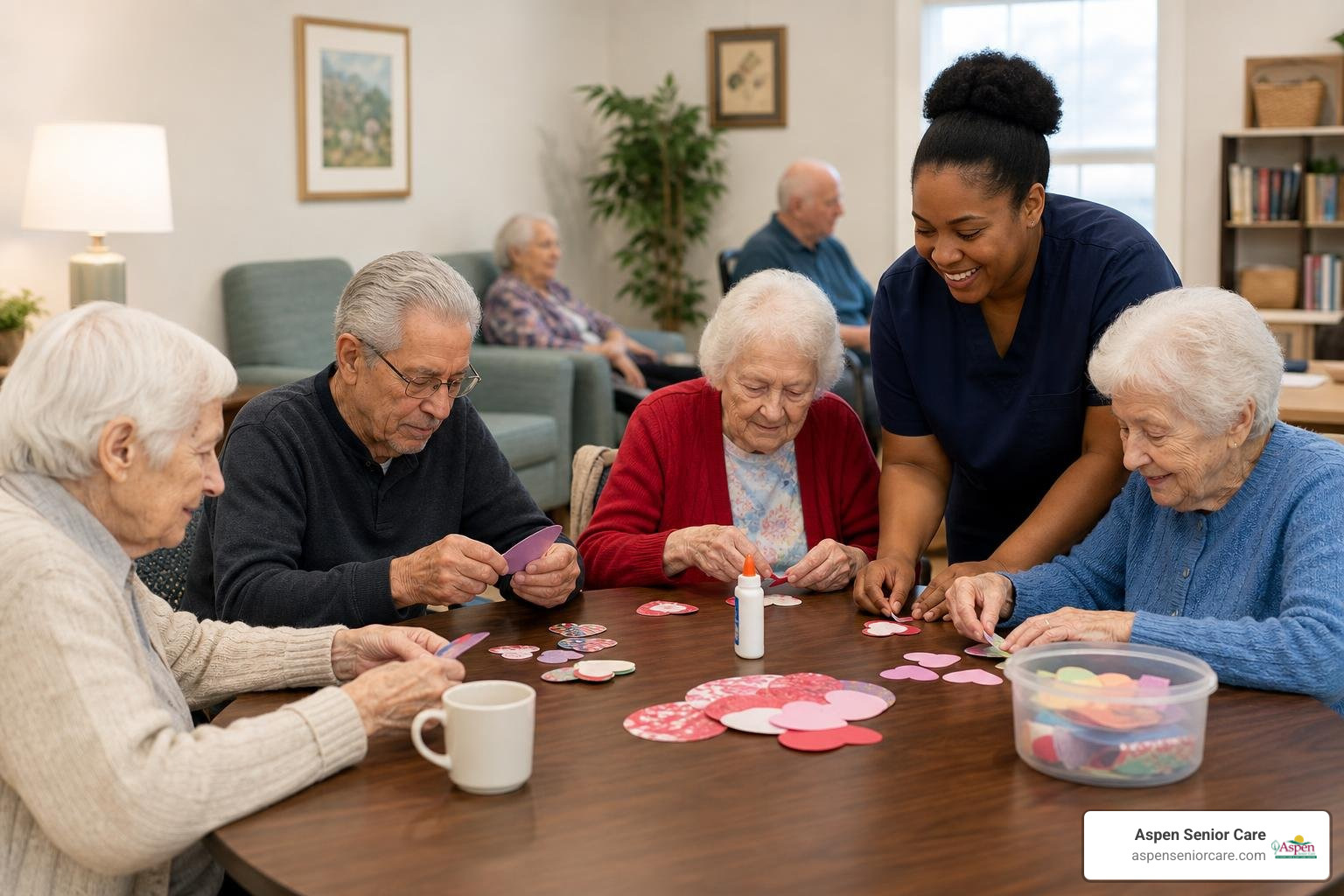
When a family member experiences progressive cognitive decline, their world often shrinks. Social circles fade, hobbies become difficult to navigate, and hours are spent in front of the television. A specialized dementia daycare is designed to reverse this isolation. It provides a vibrant, supportive environment where seniors with cognitive impairment can engage in meaningful, structured routines that preserve their dignity and remaining skills.
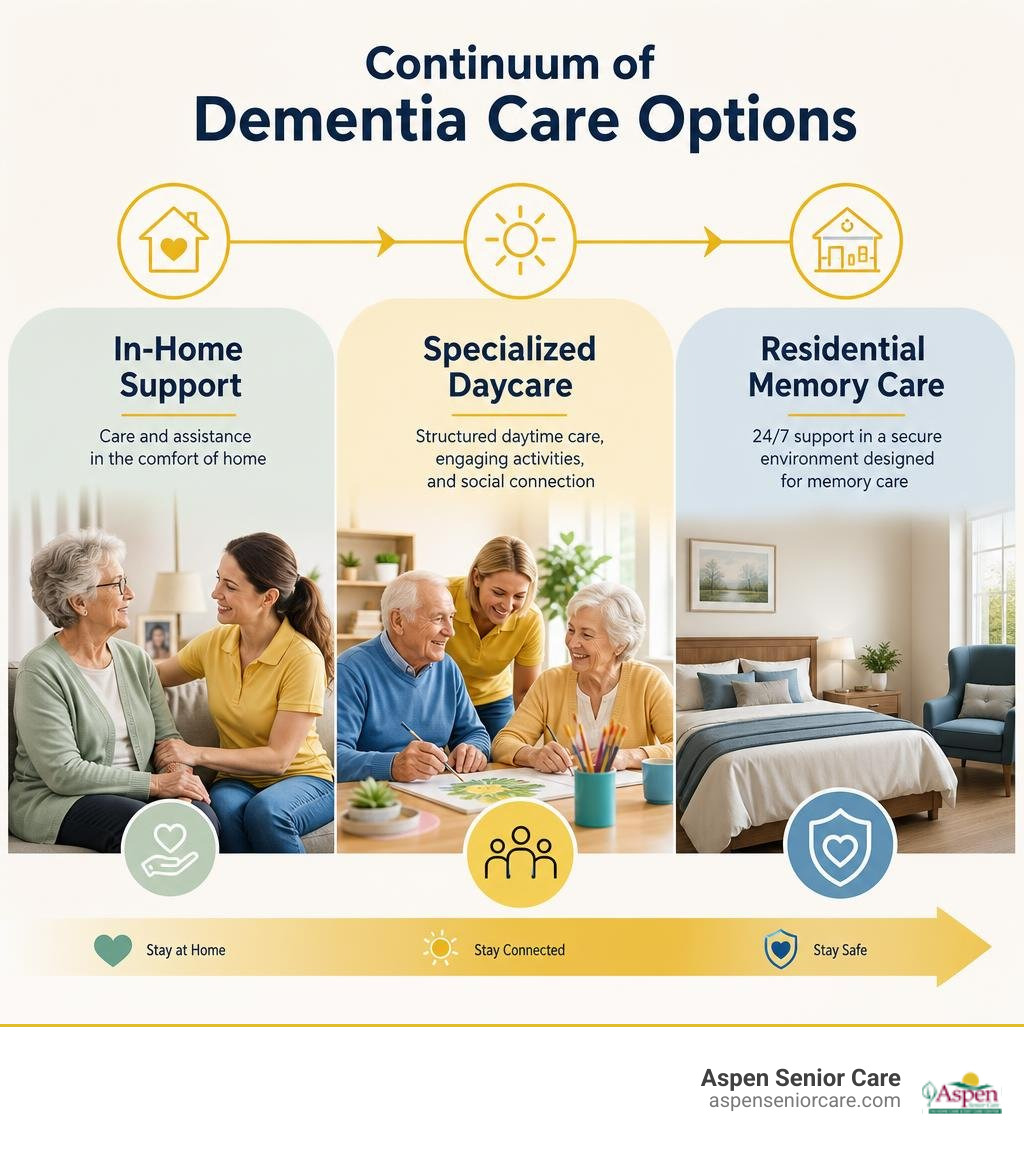
Unlike residential facilities, a day program allows your loved one to enjoy the benefits of professional memory care during the day while returning to the comfort of their own home each evening. This setup preserves the family unit and helps seniors remain in their familiar home environments for as long as possible.
To understand how these programs fit into your family's journey, it is helpful to look at the broader landscape of cognitive support. You can read More info about dementia to understand how these progressive conditions affect daily needs, or Learn about Alzheimer's care to explore how specialized care strategies adapt to memory loss.
How Standard Adult Day Care Differs from Specialized Dementia Daycare
It is common to confuse standard adult day care with a specialized memory program, but they serve very different populations.
Standard Adult Day Care (The Social/Medical Model): These centers generally cater to older adults who need minor physical assistance, basic health monitoring, or simply a place to socialize. While they are wonderful community resources, their activities and physical spaces are not designed for those with moderate-to-severe memory loss.
Specialized Dementia Daycare: These centers are built from the ground up for individuals with Alzheimer's, vascular dementia, Lewy body dementia, and other neurocognitive disorders.
While statistical data shows that nearly half of all adult day care participants nationwide have some level of dementia, a standard center can quickly overwhelm a person with significant memory loss. In contrast, specialized programs feature secure perimeters to prevent wandering, higher staff-to-participant ratios, and staff members specifically trained in dementia communication and behavioral management.
To learn more about how these specialized programs are structured, explore our guides on Adult Day Care for Dementia and Adult Day Care Alzheimer.
Eligibility and Admission Criteria for Memory Care Programs
Enrolling a loved one in a specialized day program involves a thoughtful screening process to ensure the center can safely and effectively meet their needs.
Generally, eligibility is open to individuals living with Alzheimer's disease or another form of diagnosed neurocognitive impairment. However, centers must assess each applicant to ensure their safety and the safety of other participants. Typical admission criteria include:
Medical Documentation: A documented diagnosis of dementia or cognitive impairment from a licensed physician, physician assistant, or nurse practitioner, along with a recent physical exam and tuberculosis screening.
Cognitive and Functional Assessment: The care team conducts a comprehensive intake assessment to understand the individual's cognitive stage, communication abilities, mobility level, and assistance needs with activities of daily living (ADLs) like eating and using the restroom.
Behavioral Evaluation: The center will evaluate whether the individual has behavioral expressions (such as extreme physical aggression) that might require one-on-one supervision beyond the center's standard ratio.
According to international clinical standards, such as the Italian guidance on Dementia Day Care Centres, a structured, gradual admission process is highly recommended. This involves an initial family meeting, a short trial visit, and a step-by-step increase in attendance hours to help the senior adjust to the new environment without feeling overwhelmed.
Services, Activities, and Financial Planning for Day Programs
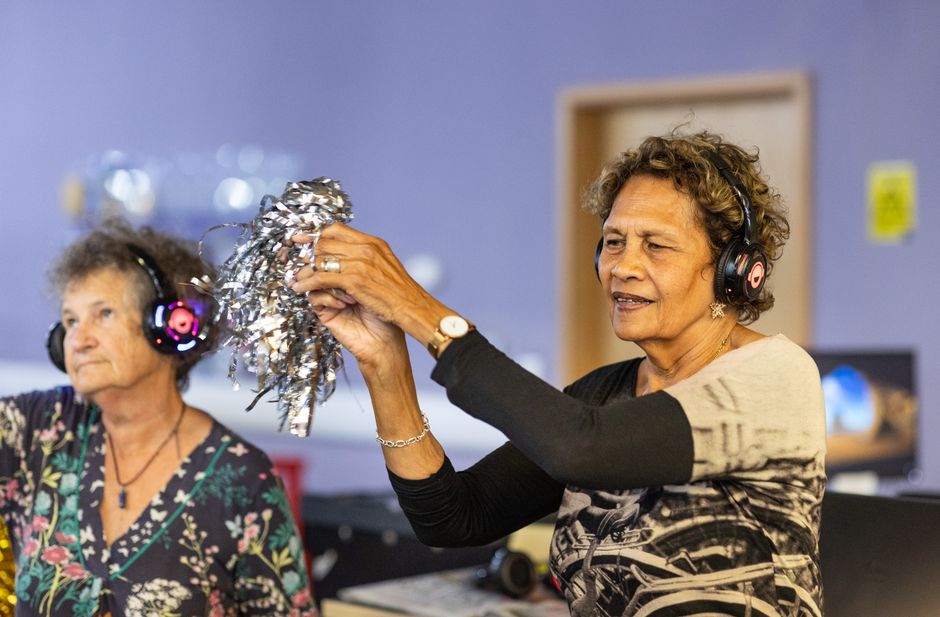
A high-quality specialized dementia daycare is much more than a safe place for a senior to sit while their caregiver works. It is a therapeutic environment where every hour is planned with purpose. From cognitive exercises in the morning to sensory therapies in the afternoon, these programs are designed to stimulate the brain, promote physical wellness, and foster social connections.
At the same time, choosing a program requires careful financial planning. Families must balance the cost of care against their household budgets and explore available financial assistance programs. To see how these elements come together, you can review our overview of Adult Day Care Services.
To help you compare your options, here is a look at how the average costs of adult day care compare to standard in-home caregiving services:
Care Option Average Daily Cost Core Features Best Suited For Specialized Adult Day Care $78 – $120 Group socialization, structured therapeutic activities, secure environment, meals included Seniors who benefit from social interaction, routine, and peer engagement In-Home Caregiving $170 – $250+ One-on-one personal care, assistance at home, meal prep, light housekeeping Seniors with limited mobility or those who prefer a highly personalized, quiet environment
Therapeutic Activities and Daily Services
The best day centers design their daily schedules around evidence-based memory care research. Rather than passive entertainment, activities are broken into manageable, structured segments to keep participants engaged without causing fatigue.
Key therapeutic activities typically include:
Music and Art Therapy: Music is incredibly powerful for those with dementia; it often taps into deep emotional memories even when verbal communication has declined. Singing, playing simple instruments, and creating art provide a beautiful outlet for self-expression.
Pet Therapy: Visits from certified therapy animals offer comfort, reduce anxiety, and encourage physical touch and emotional warmth.
Cognitive Stimulation: Word games, trivia, structured reminiscence therapy, and storytelling help keep neural pathways active and provide a sense of accomplishment.
Physical Exercise: Gentle movement, chair yoga, balloon volleyball, and walking groups help maintain balance, flexibility, and cardiovascular health.
Sensory and Productive Tasks: Baking, sorting, folding, and gardening give participants a sense of purpose.
Additionally, centers collect detailed participant biographies before enrollment. This allows staff to tailor activities to a senior's personal history, avoiding topics that might trigger negative emotions and focusing instead on their lifelong passions. For seniors managing complex physical and cognitive challenges, specialized programs like our Adult Day Care for Parkinson's integrate targeted physical and cognitive exercises to support motor function and mental agility.
Typical Costs and Financial Assistance Options
Cost is a primary consideration for every family. Nationally, the median cost of an adult day center is approximately $78 per day, though specialized dementia daycare programs typically range from $90 (for half-day sessions) to $120 (for full-day sessions up to 10 hours). Even at the higher end, day care remains incredibly cost-effective compared to in-home care, which can easily exceed $170 to $250 per day for one-on-one supervision.
To make these essential services accessible, several financial planning avenues are available:
Sliding Scale Fees: Many non-profit and community-based centers offer fees based on a family's income and ability to pay.
Medicaid: In many states, including Utah, Medicaid home and community-based services (HCBS) waivers can cover the cost of adult day programs for qualifying low-income seniors.
Veterans Benefits: The VA often provides financial assistance or directly covers adult day health care services for eligible veterans.
Long-Term Care Insurance: Many private long-term care policies include coverage for licensed adult day care services.
Private Pay and Scholarships: Some centers offer internal scholarship funds supported by community donations.
To learn more about specific pricing, schedules, and financial options in our local community, visit the Aspen Senior Day Center services page.
Enhancing Quality of Life and Caregiver Respite
The benefits of a specialized day program extend far beyond the participant; they are a lifeline for the entire family.
For the person with dementia, regular attendance provides a consistent routine, physical exercise, and mental stimulation. This structured physical activity during the day has a direct, positive impact on sleep patterns, helping individuals get to bed earlier and preventing the nighttime sleep disturbances and wandering that often exhaust families.
For the caregiver, the respite provided by a day program is invaluable. It offers a designated block of time to rest, work, run errands, or attend to your own medical needs without worrying about your loved one's safety. Knowing they are in a secure environment surrounded by trained professionals brings immense peace of mind. To explore how day programs fit into a broader long-term care strategy, read about our comprehensive Memory Care options.
Safety, Staffing, and Environmental Standards in Memory Care
When selecting a specialized dementia daycare, safety and professional expertise must be your top priorities. Because dementia affects judgment, spatial awareness, and physical coordination, the physical environment and the team supervising it must meet rigorous safety and clinical standards.
To understand the core values, training, and dedication of the professionals who guide these programs, you can read about our specialized Adult Day Care Team.
Recommended Staffing Ratios and Professional Qualifications
Dementia care cannot be rushed, and it cannot be done effectively with a skeleton crew. High-quality centers maintain low staff-to-participant ratios to ensure every senior receives personalized, hands-on attention.
Staff-to-Participant Ratio: While standard adult day centers might operate at a 1:8 or 1:10 ratio, specialized dementia daycares should maintain a 1:5 ratio (one staff member for every five participants). This ensures adequate supervision during activities, meals, and transitions.
On-Site Nursing: A registered nurse (RN) or licensed practical nurse (LPN) should be present on-site for a significant portion of the operating hours to monitor vital signs, manage medications, and handle any medical emergencies.
Dementia-Specific Training: All staff members—including administrative and support staff—should receive continuous education on dementia communication, wandering prevention, behavioral de-escalation, and emergency protocols.
These high standards are mirrored in leading regulatory frameworks across the country, such as the Florida Specialized Alzheimer's Day Care Statutes, which legally mandate a strict 1:5 ratio, require on-site nursing coverage, and dictate that therapeutic activities must fill at least 70% of the center's operating hours.
Designing a Safe, Therapeutic Environment for Dementia Care
The physical layout of a memory care day center acts as a silent caregiver. A well-designed space promotes independence while subtly preventing accidents and confusion.
Key environmental features to look for include:
Secured Perimeters: All exit doors should be equipped with secure keypad entries, magnetic locks, or discreet alarm systems to prevent unsupervised wandering (elopement).
Clear Orientation Visuals: Simple, high-contrast signage, color-coded hallways, and clear labels (such as a picture of a toilet on the restroom door) help participants navigate the space independently.
Therapeutic Gardens: Secure outdoor spaces with continuous circular walking paths (no dead ends that cause frustration), sturdy handrails, and non-toxic plants allow participants to enjoy fresh air and sunshine safely.
Comfortable, Non-Clinical Aesthetics: Soft lighting, noise-absorbing materials, and cozy, familiar furnishings help reduce anxiety and minimize sensory overload, which is a common trigger for agitation.
Regulatory Requirements and Licensing Standards
In Utah, adult day care centers are licensed and regulated by the Department of Health and Human Services. These regulations ensure that centers comply with strict building codes, sanitation standards, emergency preparedness plans, and staff background screening requirements.
When touring a center, always verify that their license is current and ask to see their most recent state inspection report. A reputable center will be completely transparent about their regulatory standing and safety record.
Frequently Asked Questions about Memory Day Programs
How do centers manage behavioral and psychological symptoms of dementia (BPSD)?
Behavioral and psychological symptoms—such as agitation, pacing, repetitive questioning, or aggression—are common expressions of unmet needs in people with dementia. Specialized centers use person-centered, non-drug therapies as the first line of defense.
The core philosophy of memory care is: "We assist, we do not correct." If a participant becomes agitated, staff members are trained to identify the underlying trigger (such as pain, hunger, boredom, or sensory overload) and use gentle redirection, soothing music, or quiet sensory spaces to help them de-escalate.
What should I ask when touring a specialized dementia daycare?
Touring a facility is the best way to evaluate its warmth, safety, and professionalism. Here are several essential questions to ask the program director:
What is your direct staff-to-participant ratio?
What specific dementia training does your staff receive?
How do you handle emergency medical situations?
Are meals and snacks planned or approved by a registered dietitian?
Do you offer a trial period or a gradual transition plan for new participants?
How do you handle personal care needs, such as incontinence or assistance with toileting?
Tip: Pay close attention to the atmosphere during your tour. Do the participants look engaged? Is the staff interacting with them warmly and respectfully? Trust your instincts.
Is transportation typically provided by adult day centers?
Many specialized day programs coordinate door-to-door transportation to help seniors attend consistently. This is a massive relief for working caregivers who cannot leave their jobs to handle morning or afternoon drop-offs.
Depending on the center, transportation may be included in the daily fee, offered for an additional charge, or coordinated through local county senior transit services.
If you are looking for licensed adult day options in the Utah Valley area, you can research local community resources such as Adult Day Care in Lehi, UT and Adult Day Care in American Fork, UT to see what transportation and program options match your geographic needs.
Conclusion
Choosing a care path for a loved one with dementia is a deeply personal journey. It requires balancing their physical safety, their emotional and social needs, and your own well-being as a caregiver. A specialized dementia daycare represents a beautiful middle ground—offering your loved one a day filled with laughter, cognitive stimulation, and peer connection, while giving you the essential time you need to rest and recharge.
At Aspen Senior Care, we are committed to supporting families throughout Utah County. Whether you are looking for personalized, in-home caregiving to assist with morning routines, or structured day programs that bring joy and purpose to your loved one's afternoons, we are here to walk beside you.
We serve families across Orem, Provo, Lehi, American Fork, Pleasant Grove, Spanish Fork, Alpine, Cedar Hills, Salem, Eagle Mountain, Highland, Lindon, Saratoga Springs, and Payson.
If you are ready to explore your options, we invite you to learn about our In-Home Memory Care options, Contact Us Adult Day Care to speak with our compassionate team, or Explore Adult Day Care Services to find the perfect fit for your family. Let's work together to make every moment count.